By Gayle Carline
Mystery Author and Faux-Maven
For those of you who don't know, maven is a Yiddish word meaning "expert," although my Jewish friends usually wink and tell me it means "know-it-all."
Tomorrow I'm heading down to San Diego to teach at a writer's conference. I used to attend this conference, along with its sister conference in Newport Beach every year. Then a year ago, I was asked to become one of the workshop leaders.
Moi? Teach people about writing? That first year, I was insanely nervous. What do I have to say to anyone about a process that I still feel I'm learning about? I'm happy to report that I did my homework and presented useful information, at least according to the full classrooms and happy people who had kind words for what I put together for them.
These days, I dream up workshop ideas and pass them on to the director, who picks and chooses one or two. For this conference, I'm resurrecting a workshop I did last year, plus adding a new workshop that should be fun.
The resurrected workshop is on Self-Publishing Savvy. Basically, I do an overview of the author-publisher process and the mindset it requires. My intent with this workshop is for people who think they might want to self-publish but aren't certain. I try not to sugarcoat anything, or scare them away. Hopefully, I just give them the tools to make an informed choice.
The new workshop is called Storytelling is Murder, She Wrote. It's going to be a participation workshop, where I show an episode of a TV mystery and we dissect it, to see what makes it work and what we can apply as writers. I know what you're all thinking, but I'm not going to use that TV show. I'm using an episode of Poirot, for a few reasons. One is that Agatha Christie is a gold standard in mysteries. Another is that the PBS production of Poirot lends itself to a discussion of branding beyond just the storyline. It's a 50-minute show and we have 90 minutes to talk about it. I hope we can get it all done.
One of the things I really like about these conferences is that they offer a little something for everyone in their 90-minute workshops. You can learn about the craft of writing, either fiction or non-fiction. You can get ideas for the business side, from writing a good pitch, to how to find an agent, to what self-publishing looks like. As far as industry professionals, the conference directors try very hard to make certain that the agents and publishers are reputable AND are actively seeking clients.
In the meantime, if you'll excuse me, I need to review my notes and make certain I'm prepared for the weekend. Oh, yeah - and I have to pack!

Showing posts with label self-publishing. Show all posts
Showing posts with label self-publishing. Show all posts
Thursday, February 13, 2014

Monday, February 3, 2014
Indie Publishing – Lessons Learned & Still Learning
by Jodie Renner, editor, author, speaker
Once we take the plunge to self-publish our books, it's the start of a never-ending learning process as we try to keep on top of new developments and learn through trial and error. Mainly, we all want to avoid (too many) negative reviews and sell lots of books, right? And find the time to promote while writing the next book!
Still trying to decide which route to go? Check out my blog post, Pros, Cons, & Steps for Publishing Your Own Book on Amazon.
I published my first book myself on Amazon in July 2012, and it’s been a steep learning curve since then. Here are some tips I’ve learned from working with other authors and writing & publishing my own nonfiction books, which other newbie indie publishers can learn from, and some pitfalls to avoid. And a few relatively new initiatives you might want to try.
~ Get your book critiqued and edited before publishing. Get some savvy reader friends to tell you where it excited and intrigued them and where it dragged. Then revise and get a professional critique and/or edit. Even editors need an editor.
~ Get your book properly formatted before publishing it. Weird formatting is annoying to readers.
~ Get a professional cover design and some opinions on it before publishing. I’ve seen some really awful or just blah cover designs on Amazon that have to be hurting sales. Post two or three possible cover designs on Facebook or your blog and get readers to vote on which one they like best. That also involves readers and creates anticipation for the book, both pluses.
 ~ Be sure your title grabs readers and also tells them what your book is about (especially important for nonfiction). I've recently decided I should have chosen a different title for my Style That Sizzles & Pacing for Power, as I don’t think it immediately tells a potential reader what the book is about. So after the book has been out for almost a year and a half, I’ve decided to change the title to Fire up Your Fiction (thanks to John Kurtze for suggesting I take that from the title of my recent blog post, “Fire up Your Fiction with Foreshadowing”). I’m keeping the same cover design and also making it very clear in the first few pages that it’s the same book. I hope I
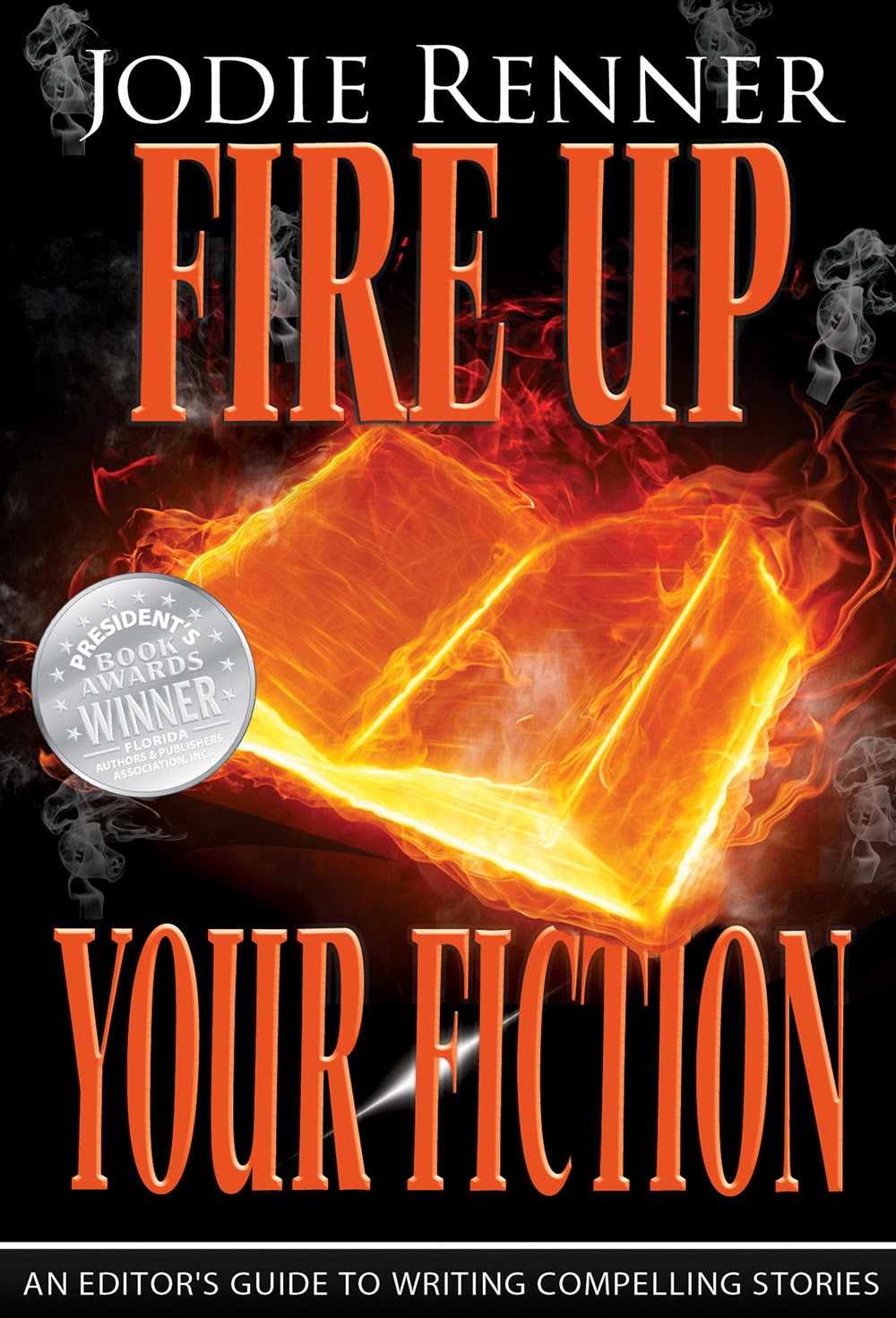 get to keep all my great reviews on Amazon (64, average of 4.8 stars) with the new title! Not to mention the two awards this book has received.
To learn from that mistake of mine, take your time choosing just the right title before publishing. Brainstorm a lot of possibilities and run them past trusted, savvy friends.
~ To change the title of a book that's already published on Amazon, don't create a new listing. Just go into your existing book and click on "Change book details" and change the title there. That way you get to keep all your reviews and links! (I added this point later after I made the mistake of creating a new listing on Amazon-Kindle and they told me I couldn't transfer the reviews because the two books had different titles. So I changed the title in the existing listing, then deleted the new one I'd created, to avoid confusion. And of course the fact that it's the same book, just with a different title, is noted in the description and on the back cover and in the first pages, inside the book!
~ Get your own “real” ISBN for your books, rather than a CreateSpace-assigned ISBN. Because I’m changing the title of my Style That Sizzles book, I need to get a new ISBN for it. But for several other very good reasons, notably increased distribution and visibility offered by the IBPA and IngramSpark (more below), I need a universally accepted ISBN, not the limited free one CreateSpace assigns. So now I have to go through that whole process again and wait for the new ISBN before I can re-release my book under the new title.
~ To save time and money, try to have your self-published e-books and print books formatted in a form that is editable by you. Because chances are high that you and/or your readers will find at least a few typos, inconsistencies, or other errors. This means you may need to learn more about formatting.
~ If you revise and improve your published book, notify Amazon right away. If you request it, they’ll send out an email to everyone who bought the original (slightly flawed) e-book, and those people can all upload the revised version instantly and for free. I got busy and didn’t do that last June when I did a substantial revision of my first e-book, Writing a Killer Thriller, adding lots of original stuff and expanding the book by almost 4 times, so I still received a few “outdated” negative reviews after that, based on the original version.
~ Ignore any negative reviews you receive, especially on Goodreads! Fortunately, I haven’t personally had any bad experiences around this, but I’ve certainly heard of authors being raked over the coals by readers after they responded to negative reviews – even one unfortunate one going viral a year or two ago. Do not respond to negative reviews by readers!
~ Joining Amazon KDP can really help sales of your e-books, as they do a lot of free promoting and marketing for you. See my post on that HERE.
~ If your book is revised, edited, polished, and getting great reviews, consider entering it in some book contests. Here’s a long, detailed list of Book Contests for Indie Authors. Since there are so many to choose from, it’s probably best to pass on the ones that cost over $70 per title, unless you feel the status would be worth it. And I’d go for the ones that provide a written review, from which you can take quotes to share on your website, blog, and on social media. Or just learn from. I’ve won two awards (FAPA & Writer's Digest) for my Style That Sizzles & Pacing for Power (soon to be retitled Fire up Your Fiction), and those awards have definitely increased my sales.

~ Consider joining the Independent Book Publishers Association (IBPA). I just recently heard about them from someone at the SDSU Writers’ Conference in San Diego, where I presented two workshops. After I got home, I checked out their website and decided to join. It looks to me like I’ll be getting a lot of benefits for the $129 annual fee, more than I’ve gotten from any other editors’ or writers’ group memberships. The IBPA Benefits Handbook they sent me is 56 pages long and includes education, support, and discounts on book awards, digital and print publishing, distribution, and marketing.
From their website: “As the largest not-for-profit trade association in the industry, the Independent Book Publishers Association (IBPA) advances the professional interests of authors and independent publishers in the U.S. and around the world. The Independent Book Publishers Association’s (IBPA’s) mission is to advocate for, support, and educate our members and to improve the standards of independent publishing. In addition to longstanding cooperative marketing and education programs, IBPA delivers valuable discounts and networking opportunities to members.”
~ Consider registering your book(s) with IngramSpark, which looks really beneficial for increasing the distribution of both print and e-copies of your books. Costs $49 for both ($37.50 for IBPA members). I’m in the process of registering with them for my Sizzles book, but need to wait for my new ISBN before I can complete the process (which is taking longer because I’m Canadian). Of course, that means the e-book will no longer be in the Amazon KDP program, so will lose those benefits... Maybe I should see if I can just do the print book on IngramSpark, and keep the e-book on KDP...? So much to learn, so little time!

“IngramSpark is Ingram Content Group’s new Publish-on-Demand platform that enables the delivery of content worldwide to readers in print and electronic formats. The service, which is tailored to the specific needs of the small independent publisher, streamlines the sales, account setup, content management, and customer support activities through a self-service, online platform. It’s free to set up an account.”
~ A new distribution service for indie authors to check out. I’m also thinking about enrolling one of my books in the new IndieReader In-Store (IRIS) program, “the first indie (Author) to indie (Bookstore) distribution service,” for more visibility and increased distribution and sales. This recent initiative was discussed recently here at CFC. Just another option to consider... And let’s see if anyone else jumps in to offer something similar for indie authors.
~ Finally, there are a lot of websites that promote indie books. So many the list could be its own blog post!
Have any of you had experiences to share about Amazon, Smashwords, Lightning Source, Goodreads, book contests, IBPA, IngramSpark, or the IndieReader IRIS program? Or any other initiatives for publishing, distributing, or marketing independently published books? Can you share your wisdom with the rest of us struggling along the path to self-publishing enlightenment and increased sales? Any tips gratefully accepted!

Jodie Renner has published two books to date in her series, An Editor’s Guide to Writing Compelling Fiction: Writing a Killer Thriller and Fire up Your Fiction (formerly titled Style That Sizzles & Pacing for Power), which has won two awards to date. Her third book in the series will be out soon. For more info, please visit Jodie’s author website or editor website, her other blogs, Resources for Writers and The Kill Zone, or find her on Facebook, Twitter, and Google+. To be the first to hear when Jodie's next book is out and to receive links to valuable, timely blog posts, sign up for her newsletter here.
Once we take the plunge to self-publish our books, it's the start of a never-ending learning process as we try to keep on top of new developments and learn through trial and error. Mainly, we all want to avoid (too many) negative reviews and sell lots of books, right? And find the time to promote while writing the next book!
Still trying to decide which route to go? Check out my blog post, Pros, Cons, & Steps for Publishing Your Own Book on Amazon.
I published my first book myself on Amazon in July 2012, and it’s been a steep learning curve since then. Here are some tips I’ve learned from working with other authors and writing & publishing my own nonfiction books, which other newbie indie publishers can learn from, and some pitfalls to avoid. And a few relatively new initiatives you might want to try.
~ Get your book critiqued and edited before publishing. Get some savvy reader friends to tell you where it excited and intrigued them and where it dragged. Then revise and get a professional critique and/or edit. Even editors need an editor.
~ Get your book properly formatted before publishing it. Weird formatting is annoying to readers.
~ Get a professional cover design and some opinions on it before publishing. I’ve seen some really awful or just blah cover designs on Amazon that have to be hurting sales. Post two or three possible cover designs on Facebook or your blog and get readers to vote on which one they like best. That also involves readers and creates anticipation for the book, both pluses.
~ Be sure your title grabs readers and also tells them what your book is about (especially important for nonfiction). I've recently decided I should have chosen a different title for my Style That Sizzles & Pacing for Power, as I don’t think it immediately tells a potential reader what the book is about. So after the book has been out for almost a year and a half, I’ve decided to change the title to Fire up Your Fiction (thanks to John Kurtze for suggesting I take that from the title of my recent blog post, “Fire up Your Fiction with Foreshadowing”). I’m keeping the same cover design and also making it very clear in the first few pages that it’s the same book. I hope I get to keep all my great reviews on Amazon (64, average of 4.8 stars) with the new title! Not to mention the two awards this book has received. To learn from that mistake of mine, take your time choosing just the right title before publishing. Brainstorm a lot of possibilities and run them past trusted, savvy friends.
~ To change the title of a book that's already published on Amazon, don't create a new listing. Just go into your existing book and click on "Change book details" and change the title there. That way you get to keep all your reviews and links! (I added this point later after I made the mistake of creating a new listing on Amazon-Kindle and they told me I couldn't transfer the reviews because the two books had different titles. So I changed the title in the existing listing, then deleted the new one I'd created, to avoid confusion. And of course the fact that it's the same book, just with a different title, is noted in the description and on the back cover and in the first pages, inside the book!
~ Get your own “real” ISBN for your books, rather than a CreateSpace-assigned ISBN. Because I’m changing the title of my Style That Sizzles book, I need to get a new ISBN for it. But for several other very good reasons, notably increased distribution and visibility offered by the IBPA and IngramSpark (more below), I need a universally accepted ISBN, not the limited free one CreateSpace assigns. So now I have to go through that whole process again and wait for the new ISBN before I can re-release my book under the new title.
~ To save time and money, try to have your self-published e-books and print books formatted in a form that is editable by you. Because chances are high that you and/or your readers will find at least a few typos, inconsistencies, or other errors. This means you may need to learn more about formatting.
~ If you revise and improve your published book, notify Amazon right away. If you request it, they’ll send out an email to everyone who bought the original (slightly flawed) e-book, and those people can all upload the revised version instantly and for free. I got busy and didn’t do that last June when I did a substantial revision of my first e-book, Writing a Killer Thriller, adding lots of original stuff and expanding the book by almost 4 times, so I still received a few “outdated” negative reviews after that, based on the original version.
~ Ignore any negative reviews you receive, especially on Goodreads! Fortunately, I haven’t personally had any bad experiences around this, but I’ve certainly heard of authors being raked over the coals by readers after they responded to negative reviews – even one unfortunate one going viral a year or two ago. Do not respond to negative reviews by readers!
~ Joining Amazon KDP can really help sales of your e-books, as they do a lot of free promoting and marketing for you. See my post on that HERE.
~ If your book is revised, edited, polished, and getting great reviews, consider entering it in some book contests. Here’s a long, detailed list of Book Contests for Indie Authors. Since there are so many to choose from, it’s probably best to pass on the ones that cost over $70 per title, unless you feel the status would be worth it. And I’d go for the ones that provide a written review, from which you can take quotes to share on your website, blog, and on social media. Or just learn from. I’ve won two awards (FAPA & Writer's Digest) for my Style That Sizzles & Pacing for Power (soon to be retitled Fire up Your Fiction), and those awards have definitely increased my sales.
~ Consider joining the Independent Book Publishers Association (IBPA). I just recently heard about them from someone at the SDSU Writers’ Conference in San Diego, where I presented two workshops. After I got home, I checked out their website and decided to join. It looks to me like I’ll be getting a lot of benefits for the $129 annual fee, more than I’ve gotten from any other editors’ or writers’ group memberships. The IBPA Benefits Handbook they sent me is 56 pages long and includes education, support, and discounts on book awards, digital and print publishing, distribution, and marketing.
From their website: “As the largest not-for-profit trade association in the industry, the Independent Book Publishers Association (IBPA) advances the professional interests of authors and independent publishers in the U.S. and around the world. The Independent Book Publishers Association’s (IBPA’s) mission is to advocate for, support, and educate our members and to improve the standards of independent publishing. In addition to longstanding cooperative marketing and education programs, IBPA delivers valuable discounts and networking opportunities to members.”
~ Consider registering your book(s) with IngramSpark, which looks really beneficial for increasing the distribution of both print and e-copies of your books. Costs $49 for both ($37.50 for IBPA members). I’m in the process of registering with them for my Sizzles book, but need to wait for my new ISBN before I can complete the process (which is taking longer because I’m Canadian). Of course, that means the e-book will no longer be in the Amazon KDP program, so will lose those benefits... Maybe I should see if I can just do the print book on IngramSpark, and keep the e-book on KDP...? So much to learn, so little time!
“IngramSpark is Ingram Content Group’s new Publish-on-Demand platform that enables the delivery of content worldwide to readers in print and electronic formats. The service, which is tailored to the specific needs of the small independent publisher, streamlines the sales, account setup, content management, and customer support activities through a self-service, online platform. It’s free to set up an account.”
~ A new distribution service for indie authors to check out. I’m also thinking about enrolling one of my books in the new IndieReader In-Store (IRIS) program, “the first indie (Author) to indie (Bookstore) distribution service,” for more visibility and increased distribution and sales. This recent initiative was discussed recently here at CFC. Just another option to consider... And let’s see if anyone else jumps in to offer something similar for indie authors.
~ Finally, there are a lot of websites that promote indie books. So many the list could be its own blog post!
Have any of you had experiences to share about Amazon, Smashwords, Lightning Source, Goodreads, book contests, IBPA, IngramSpark, or the IndieReader IRIS program? Or any other initiatives for publishing, distributing, or marketing independently published books? Can you share your wisdom with the rest of us struggling along the path to self-publishing enlightenment and increased sales? Any tips gratefully accepted!
Jodie Renner has published two books to date in her series, An Editor’s Guide to Writing Compelling Fiction: Writing a Killer Thriller and Fire up Your Fiction (formerly titled Style That Sizzles & Pacing for Power), which has won two awards to date. Her third book in the series will be out soon. For more info, please visit Jodie’s author website or editor website, her other blogs, Resources for Writers and The Kill Zone, or find her on Facebook, Twitter, and Google+. To be the first to hear when Jodie's next book is out and to receive links to valuable, timely blog posts, sign up for her newsletter here.
Tuesday, January 28, 2014
Amazon's KDP Select: The Verdict from a Newbie Skeptic
by A.M. Khalifa, thriller writer, Google+

 Having said that, I've always been attracted to KDP Select's free book promotion tool. Until quite recently, the high ranking attained on Amazon's bestseller lists during the free promotional period could be converted to paid sales after the promotion ends. But in their excellent resource for indie publishing, Write. Publish. Repeat, Sean Platt, Johnny B. Truant, and David Wright explain how in 2013 Amazon shuffled the rules of the free book promotion, which effectively broke this ability to convert high ranking to sales.
I've been dragging my feet and avoiding test driving Amazon's optional KDP Select program that gives writers a set of preferential marketing tools in return for a 90-day period exclusivity to the Kindle Store. Even while hearing writers I respect and admire like L.J. Sellers and Jodie Renner singing its praises.
I chose to go the indie route to be the master of my writing career. So understandably, the mere mention of someone else exercising exclusivity over my work triggers an allergic reaction. I want my ebooks to be available to readers through all outlets like Kobo, Nook, Sony and Apple, and not just Amazon.
Having said that, I've always been attracted to KDP Select's free book promotion tool. Until quite recently, the high ranking attained on Amazon's bestseller lists during the free promotional period could be converted to paid sales after the promotion ends. But in their excellent resource for indie publishing, Write. Publish. Repeat, Sean Platt, Johnny B. Truant, and David Wright explain how in 2013 Amazon shuffled the rules of the free book promotion, which effectively broke this ability to convert high ranking to sales.
Despite that, I finally bit the bullet. I was curious enough to give KDP Select a shot with a recent novella I published, The Jewish Neighbor. I figured the only way to find out how Select really works is to try it. And since this piece had been lingering on my blog collecting digital dust for many months with little feedback, I had nothing to lose.
To cut a long story short, the results were outstanding. The book was downloaded thousands of times across all of Amazon's territories, but no where more than Amazon UK. It's about a Syrian woman who accepts an arranged marriage to an exile in London to escape the horrors of the civil war ravaging her country, only to find herself in an equally grim situation, with the only tenderness coming from the least expected person - her Jewish neighbor. So it made sense there would be keen interest from Britain. But I also broke ground in places like Amazon Germany, Canada, India and France, which was a first for me.
Things got even more interesting after the free promotion ended. The Jewish Neighbor started climbing up the ranks in Amazon's paid bestseller categories in both the US and the UK. It hit number 500 of all of Amazon UK's paid kindle content, and then lodged itself as the number 1 bestseller in the inspirational romance category for at least a week. And also locked in second slot on Jewish-themed literature for a few days.
All in all, I sold more copies of that piece than my entire one year writing-career, across all of my titles. At one point I was selling thirty copies of The Jewish Neighbor every hour.
But it didn't stop there. This unexpected performance started funneling customers to my other titles. My overall sales spiked, including my flagship content, my debut novel, Terminal Rage. The daily sales average of that quadrupled compared to how it usually performs on any given day, no doubt as a result of the increased exposure.
All in all, I sold more copies of that piece than my entire one year writing-career, across all of my titles. At one point I was selling thirty copies of The Jewish Neighbor every hour.
But it didn't stop there. This unexpected performance started funneling customers to my other titles. My overall sales spiked, including my flagship content, my debut novel, Terminal Rage. The daily sales average of that quadrupled compared to how it usually performs on any given day, no doubt as a result of the increased exposure.
So what's the verdict, from a new writer and a former skeptic like me?
KDP Select is an incredibly powerful marketing tool for indie writers. But it's not for everyone and not for all your content. I don't think it makes strategic sense for a first time writer just wetting their feet to put their debut offering on KDP Select, denying themselves the opportunity to explore the overall landscape. The program seems better suited for writers with a larger body of work who can afford to make certain works exclusive to Amazon, without alienating users of other platforms.
In my case, hot on the heels of The Jewish Neighbor's success, I enrolled many of my other similar titles in the program, leaving out for now my full-length novel, Terminal Rage. I still like the unlimited free promotions you can do on Kobo, as opposed to Select's limitation to a maximum of five days free promotion every 90-day enrollment period. And I have to admit, I have a soft spot for Kobo and the openness of their platform. Unlike my perception of Nook, I don't want to discount them for dead just yet. Being the smallest of the three main players, they also try harder. At the Frankfurt Bookfair last October they were serving free crab cakes, chardonnay and awesome teal-colored tote bags that make me a huge hit with supermarket cashiers in Rome.
Then again, I may wake up one day and realize that five days of KDP Select every 90 days are far more valuable than 365 on Kobo. I will keep you posted.
The way I see it, Kobo, Nook, Apple, Sony and Smashwords all have their niche segments of the market. But you can't be an indie writer today and fail to notice that Amazon is increasingly where it's at.
Writers, what have your experiences been with KDP Select, and if you've been on the fence like me, have I managed to sway you to at least try it once? And readers, have you discovered literary gems through free downloads?
Sign up to my newsletter below to get:
★ exclusive free fiction
★ writing tips
★ publishing insight
★ Hollywood for writers: exciting insight on the film adaptation of Terminal Rage as it happens
★ counter-terrorism scoops and analysis
★ book giveaways and competitions
* indicates required field

A.M. Khalifa's critically acclaimed debut novel, Terminal Rage, was recently described by Publishers Weekly as "dizzying, intricate, and entertaining." He lives in Rome, Los Angeles, and Sydney, sometimes at the same time.
The ebook version of Terminal Rage is now on sale for $0.99 on Amazon.
★ exclusive free fiction
★ writing tips
★ publishing insight
★ Hollywood for writers: exciting insight on the film adaptation of Terminal Rage as it happens
★ counter-terrorism scoops and analysis
★ book giveaways and competitions
* indicates required field
A.M. Khalifa's critically acclaimed debut novel, Terminal Rage, was recently described by Publishers Weekly as "dizzying, intricate, and entertaining." He lives in Rome, Los Angeles, and Sydney, sometimes at the same time.
The ebook version of Terminal Rage is now on sale for $0.99 on Amazon.
Sunday, December 8, 2013
10 Tips for Attracting a Top-Notch Freelance Editor for Your Novel
 |
| a section of Jodie's reference library |
With so many authors self-publishing these days, the best independent editors are in high demand, so if you’re looking for a knowledgeable, experienced professional editor to help you make your fiction manuscript the best it can be – and improve your overall writing skills in the process – be sure to take some care with how you seek out and approach them.
Due to the high volume of requests, sought-after freelance editors turn down many more writer clients than they can accept, so it’s important to make a good first impression.
First, make sure your manuscript isn't still in rough draft. Try to find time to hone your craft (see my to-the-point editor's guides to writing compelling fiction), then go over the manuscript a few times to spark up the characters, raise the stakes, add conflict, tension, and intrigue, pick up the pace, and tighten the writing.
Next, do your research and look for editors with good credentials and reviews, who edit mainly fiction and read and edit your specific genre. Google “freelance editors, mysteries” or whatever, or go through an editors' association like EFA or EAC.
Then read through the editors' websites to find out about their services, process and requirements. What kinds of problems/issues do they look for? If it’s only grammar and spelling, you can get an English teacher friend to do the same, for a lot less money or even free. To make the most of working with a professional, choose someone who first looks for other, more important possible issues, such as a shaky premise, a boring plot, cardboard characters, confusing viewpoints, stilted dialogue, insufficient tension, inconsistencies, slow pacing, plot holes, info dumps, showing instead of telling, and convoluted or too-formal phrasing.
You need an editor who can ferret out big-picture issues and help you with all the various techniques that, when ignored or botched, can sink a novel, and when flagged and addressed, can turn a mediocre or good novel into a real page-turner that sells and garners great reviews.
Once you’ve determined that the editor is up on current fiction techniques and industry expectations, be sure to read and follow their submission instructions. On my website, for example, I specifically request the following from potential clients: the genre, total word count, first 15-20 pages, 10 pages from somewhere in the middle, a brief synopsis (a few paragraphs to half a page), and a brief description of each of the main characters.
Without this information, I have no idea whether we’d be a good fit and I’d be the best editor for you. I can’t assess the level of work required to bring your manuscript up to industry standards or whether your story would fire my passions so I can give it the zeal and commitment it deserves. Nor can I provide you with an estimate of my fees without doing a sample edit or reading several pages to see what's involved. The quality of writing and the storytelling skills vary hugely from one manuscript to another, so of course the amount of work (time and effort) – therefore, cost of editing – will also vary hugely.
Here are 10 tips for attracting a top-notch, in-demand editor for your fiction and getting the best possible edit or critique for your manuscript:
1. Search for experienced, proficient editors who mainly edit fiction and who also read and edit your genre. Most nonfiction editors are unaware of critical techniques such as point of view and showing instead of telling. And an editor who reads only romances and cozy mysteries isn’t in the best position and mindset to help you add tension, conflict, suspense and intrigue to your thriller, for example.
2. Check their testimonials/reviews and contact some of the authors mentioned to discuss the process with that editor.
3. Peruse the editor’s website to find out about their editing process and the services they offer before contacting them. Do your homework, rather than just contacting the editor and expecting them to explain all about their process and services to you, a potential client whose work they haven’t seen and may not want or be able to take on.
4. Follow their submission requirements and provide as much information as possible about your book. If you just contact them and say “How much do you charge to edit a book?” there’s a good chance you may receive no response or a quick rejection.
5. Indicate why you’ve contacted them in particular – perhaps you noticed they edit your genre, you’ve heard good things about them, an author you know recommended them, or you’re impressed by their credentials and testimonials. Show that you’ve done your research and have concluded that they are your best choice/fit.
6. Be open-minded about the possible state of your manuscript. Even if you're an accomplished nonfiction writer, if you're relatively new at writing fiction, you may be unaware of issues in your writing style or fiction techniques that appear amateurish or get in the way of reader enjoyment. Your story may still need some or a lot of big-picture advice, even developmental editing, as well as content and stylistic editing, then rewriting/revising before it’s ready for the final copyediting stage.
An experienced editor will be able to tell quite quickly what level your story is at in terms of the editing process and where they should begin. So if you want a final product that can compete in today’s marketplace, it’s important not to be adamant that it “only needs a light final copyedit or proofread.”
7. Tight deadlines do not produce the best results. Proficient editors are often booked weeks or months in advance, and some juggle more than one manuscript at a time, so start contacting editors well before your manuscript is ready, and leave ample time for the process once it’s begun. If you tell the editor you’re under a tight deadline and need the whole 90K edited and ready to publish within a month, don’t be surprised if they turn it down, especially if it needs a lot of work, including checking over all your subsequent revisions!
8. Don’t forget your social skills. A “Hi, hope you had a good weekend” or “You come highly recommended” can go a long way. And if you do start working with an editor, for a positive, mutually beneficial working relationship, be sure to continue to add those little friendly or appreciative notes. [Editors should also follow this advice, of course!]
9. The writer-editor relationship requires commitment on both sides. Be sure to express your willingness to apply yourself and do any recommended revisions and even consider deleting or rewriting weak scenes. If you tell the editor you don’t have time to revise those scenes to make them stronger and more compelling, it speaks volumes about your work ethic and motivation and the ultimate success of your project, and can be discouraging to the editor, who may feel that she cares more about your story than you do.
10. Get a sample edit or hire the editor to work with you on a chapter or two first. Maybe go on a 20- or 50-page "date" with a prospective editor. That way you can see how that editor handles your work, and he/she can see how you respond to their suggestions and edits.
Good luck with this very important step in your self-publishing process!
Writers – do you have any questions or suggestions?
Editors – do you have any tips to add for writers who are seeking out an editor?
 Jodie has published two books to date in her series, An Editor’s Guide to
Writing Compelling Fiction: Writing a Killer Thriller and
Fire up Your Fiction (Style That Sizzles & Pacing for Power), which has won
two book awards so far. Look for he third book in the series, out
soon. For more info, please visit Jodie’s author website or
editor website, her other blogs, Resources for Writers and
The Kill Zone, or
find her on Facebook, Twitter, and Google+.
And sign up for her newsletter.
Jodie has published two books to date in her series, An Editor’s Guide to
Writing Compelling Fiction: Writing a Killer Thriller and
Fire up Your Fiction (Style That Sizzles & Pacing for Power), which has won
two book awards so far. Look for he third book in the series, out
soon. For more info, please visit Jodie’s author website or
editor website, her other blogs, Resources for Writers and
The Kill Zone, or
find her on Facebook, Twitter, and Google+.
And sign up for her newsletter..
Friday, July 19, 2013
When Bad Things Turn Out Well
by L.J. Sellers, author of provocative mysteries & thrillers
We discovered water in our bathroom wall recently, and the damage was extensive. My initial reactions were to first blame myself: How could I let this happen? Next, to be stressed about the time and cost of the repair.
 Fortunately, my hairdresser (love this woman!) reminded me that insurance pays for things like this. The transition will be inconvenient and annoying, but in the end, the bathroom will be essentially remodeled for about the price of the deductible. A nice outcome.
I'm trying to keep that in mind as I go through a similar situation in my writing career. With my latest book, a standalone thriller, my editor wants me to make a major plot change, one that I disagree with. My initial reactions were the same as they were for the water problem—a sense of failure, then stress about a negative outcome.
But the more I think about it, the more I realize this could turn well. My beta readers (including a professional) love the story the way it is, and I'm not inclined to cut a plot element that ratchets up the tension on a global level. So, as much as I love publishing with Thomas & Mercer, I'm going indie with this one.
 Even though I call it a standalone, the book features Agent Dallas—introduced in Crimes of Memory (Jackson #8)—and will launch a new series. Although publishing with Amazon has been great for my career, it's not a bad idea to diversify and keep some control of my work.
Additionally, I'll be able to bring the book to market sooner on my own, and I'll earn a higher royalty. So this could turn out like the bathroom situation—more benefits than drawbacks.
In the meantime, I have to get my head back into indie mode and start thinking about marketing again. This transition will also be a lot of work and at times frustrating, but ideas are coming to me, and I think my wonderful readers will support me.
What do you think? Am I crazy for sticking with the story instead of the publisher? If you're one of my readers, will you try the new book?
We discovered water in our bathroom wall recently, and the damage was extensive. My initial reactions were to first blame myself: How could I let this happen? Next, to be stressed about the time and cost of the repair.

I'm trying to keep that in mind as I go through a similar situation in my writing career. With my latest book, a standalone thriller, my editor wants me to make a major plot change, one that I disagree with. My initial reactions were the same as they were for the water problem—a sense of failure, then stress about a negative outcome.
But the more I think about it, the more I realize this could turn well. My beta readers (including a professional) love the story the way it is, and I'm not inclined to cut a plot element that ratchets up the tension on a global level. So, as much as I love publishing with Thomas & Mercer, I'm going indie with this one.
 Even though I call it a standalone, the book features Agent Dallas—introduced in Crimes of Memory (Jackson #8)—and will launch a new series. Although publishing with Amazon has been great for my career, it's not a bad idea to diversify and keep some control of my work.
 Additionally, I'll be able to bring the book to market sooner on my own, and I'll earn a higher royalty. So this could turn out like the bathroom situation—more benefits than drawbacks.
In the meantime, I have to get my head back into indie mode and start thinking about marketing again. This transition will also be a lot of work and at times frustrating, but ideas are coming to me, and I think my wonderful readers will support me.
What do you think? Am I crazy for sticking with the story instead of the publisher? If you're one of my readers, will you try the new book?
Sunday, May 19, 2013
Revise and Republish?
.jpg) The Increasing Fluidity of Books & Publishing
The Increasing Fluidity of Books & Publishingby Jodie Renner, fiction editor and craft-of-fiction writer
If you’re an indie author with e-books on Amazon, have you revised and re-uploaded any of your e-books, in response to negative reviews or other feedback? Or even just to add improvements or additions you thought of yourself? I do, quite regularly. And it seems to me that many authors, including high-profile ones, who are receiving similar negative reviews for a book should be considering doing this. What do you think?
With more and more authors publishing their own books as e-books, and even publishers releasing increasing numbers of e-books, which can be updated as often as the author/publisher chooses, how does that impact the content of the books? I’m thinking that using this privilege can’t help but improve the book, and the overall quality of e-books available.
Can and should we use reviews and other feedback to constantly (or occasionally) update or revise our books? Why or why not?
Would you or do you alter/tweak/revise/change your book because of many similar reviews?
And if you do revise your book because of negative reviews, what do you do about the fact that the reviews are still there, even though the issues have been addressed and hopefully fixed? Would you respond to the well-thought-out ones you felt had a good point and tell them you’ve made some changes based on their review?
And will more and more traditional publishers with digital imprints start tweaking their books based on informative, thoughtful reviews? Or on many negative reviews with basically the same objections? Will individual e-books then be in a constant state of flux, based on feedback and current trends?
I’ve heard of authors changing the ending to please a majority of readers who objected to the way their book ended. What about changing other aspects of a book that would require more extensive revisions? What if a lot of faithful followers found one of your protagonists too hard-edged or whiny or sarcastic or whatever? Would you go back to that book and tweak your characterization and their dialogue, etc. to make them more sympathetic and appealing? Or what if lots of readers complained about a major plot hole? Would you go in and fix it, in hopes of stopping the flood of bad reviews?
If your novel is solely an e-book at this stage, it’s quick and easy to upload a newer, better version after making the revisions. But then you have some people who have the original version and others who are buying the improved product.
I’ve published two craft-of-fiction e-books on Amazon-Kindle (with more to come) and have updated and expanded both of them several times, which is a wonderful feature and option/privilege, I think, especially for writers who are still honing their craft and learning from their mistakes.
Since I published my first e-book, Writing a Killer Thriller, in July 2012, I’ve added two chapters

and revised the whole thing. In the last few days, I added another chapter and deleted one near the end that was too repetitive, a summary that basically reiterated points made in the rest of the book. I just republished this most recent version, and a new cover, and am working on two more new chapters for the book. This approach would have been unheard of ten years ago, but I’m grateful to have the control to be able to do this with my “learning” first book.
Then I’ll ask Amazon to notify earlier buyers so they can upgrade for free. I’m also publishing the new chapters on the blog of my new, author website, so people who’ve bought earlier versions of the e-book can just read the new chapters there. And I’m planning to publish the new, expanded version in print soon. And I assume I can keep the same title...?
(As an aside, when I first published this e-book, I enabled Digital Rights Management and have since been told that was a mistake so I didn’t do it with my second book. Does anyone know if there’s a way I can disable that? It doesn’t seem possible.)
And what about if your book is already in print? Say you’ve published with a POD house like CreateSpace, like I did, for my Style That Sizzles & Pacing for Power book (available as an e-book, too). Do you consider re-issuing a second edition? All my comments for Style that Sizzles have been positive (29 reviews to date, with an overall rating of 4.9 stars out of 5), but I’m considering publishing a newer, improved second edition. Am I getting carried away here? When do you say, “Enough, already,” and move on?
*Update, February 2014: I updated Style That Sizzles and retitled it Fire up Your Fiction.*
Writers - Do you revise your e-books to address issues that readers feel detract from the overall positive impact of the book?
Should we embrace increased reader involvement/interaction? Or would that just be opening a can of worms?
Readers & Reviewers - Do you appreciate it when writers revise based on your input? Do you enjoy the extra involvement of being a beta reader or active reviewer?
Do you even check back occasionally to see if writers have revised their book based on similar negative reviews by you and others? Would you like to see authors comment under your review if they've addressed your concerns?
Jodie Renner has published two books to date in her series, An Editor’s Guide to Writing Compelling Fiction: Writing a Killer Thriller and Fire up Your Fiction (Style That Sizzles & Pacing for Power), which has won two book awards so far. Look for the third book in the series, out soon. For more info, please visit Jodie’s author website or editor website, her other blogs, The Kill Zone and Resources for Writers, or find her on Facebook, Twitter, and Google+. And sign up for her newsletter.
.
Friday, May 10, 2013
Boycotting Agent-Focused Conferences
by L.J. Sellers, author of provocative mysteries & thrillers
Every year I think about going to Thrillerfest, but this time my reason for not attending is different. In the past, it was always a financial issue—an expensive conference and an expensive flight. But now that I can afford it, I've decided to pass for ideological reasons that recently become more pressing. The short answer: Agentfest, a sub-conference within the larger gathering.

Last year, I was invited to teach a workshop at Willamette Writers conference, and I turned it down because the conference is focused on writers pitching to agents. Agentfest is the same thing: hopeful authors trying to sign contracts with agents. This choice, of course, is for the author to make, but I can't, in good conscience, support a program that encourages new authors to sign with agents. (For established authors, it's a different decision.)
I don’t have anything against agents personally. But their role in publishing has become mostly obsolete. Yet, the 15% forever commission hasn’t changed. What has changed is how they earn it. Now many agents are helping their clients self-publish by performing tasks that authors can do for themselves or contract to professionals for a flat fee.
This practice seems unscrupulous. And that perception has been supported by recent blog revelations. Barry Eisler posted about the nasty reaction of agents to his self-publishing talk, where he sought to empower writers with specific information about the changes in publishing.
And David Gaughran recently blogged about the pitiful performance of Argo Navis, a digital distributor favored by agents who steer their clients into those contracts. Agents talk about how the Argo Navis distributor is a guarantee of quality independent publishing because it only deals with books submitted by agents. Yet, according to Gaughran's research, Argo Navis books don't sell. Hundreds of real indie authors sell more books in an hour than agent-supported Argo Navis clients do in a month. And the distributor takes 30%...in addition to the 15% paid to agents and the 30% to the retailer.
I would discourage authors from signing with an agent who makes self-publishing deals. I encourage authors to take charge of their careers and self-publish…in a way that allows them to keep most of the profits.
So for me, it doesn't feel right to attend—and spend money on—a conference that matches new authors with agents who may steer them into bad financial decisions, which, in my opinion, includes most contracts with traditional publishing as well. Especially now that big publishing owns the most notorious author-scamming vanity presses out there.
The main reader part of the Thrillerfest conference takes place on the last two days, and it would be great fun to hang out with thriller writers and readers. But spending my money on Thrillerfest indirectly supports Agentfest, and I just can't do it.
I would love to see Thrillerfest drop the agent portion of the conference. Many of the conference founders are now self-publishing, and it surprises and disappoints me that they still offer the old model to new writers. I hope it's only a matter of time before agent-based conferences become obsolete. They're a disservice to authors.
Readers, writers: What do you think?
Every year I think about going to Thrillerfest, but this time my reason for not attending is different. In the past, it was always a financial issue—an expensive conference and an expensive flight. But now that I can afford it, I've decided to pass for ideological reasons that recently become more pressing. The short answer: Agentfest, a sub-conference within the larger gathering.

Last year, I was invited to teach a workshop at Willamette Writers conference, and I turned it down because the conference is focused on writers pitching to agents. Agentfest is the same thing: hopeful authors trying to sign contracts with agents. This choice, of course, is for the author to make, but I can't, in good conscience, support a program that encourages new authors to sign with agents. (For established authors, it's a different decision.)
I don’t have anything against agents personally. But their role in publishing has become mostly obsolete. Yet, the 15% forever commission hasn’t changed. What has changed is how they earn it. Now many agents are helping their clients self-publish by performing tasks that authors can do for themselves or contract to professionals for a flat fee.
This practice seems unscrupulous. And that perception has been supported by recent blog revelations. Barry Eisler posted about the nasty reaction of agents to his self-publishing talk, where he sought to empower writers with specific information about the changes in publishing.
And David Gaughran recently blogged about the pitiful performance of Argo Navis, a digital distributor favored by agents who steer their clients into those contracts. Agents talk about how the Argo Navis distributor is a guarantee of quality independent publishing because it only deals with books submitted by agents. Yet, according to Gaughran's research, Argo Navis books don't sell. Hundreds of real indie authors sell more books in an hour than agent-supported Argo Navis clients do in a month. And the distributor takes 30%...in addition to the 15% paid to agents and the 30% to the retailer.
I would discourage authors from signing with an agent who makes self-publishing deals. I encourage authors to take charge of their careers and self-publish…in a way that allows them to keep most of the profits.
So for me, it doesn't feel right to attend—and spend money on—a conference that matches new authors with agents who may steer them into bad financial decisions, which, in my opinion, includes most contracts with traditional publishing as well. Especially now that big publishing owns the most notorious author-scamming vanity presses out there.
The main reader part of the Thrillerfest conference takes place on the last two days, and it would be great fun to hang out with thriller writers and readers. But spending my money on Thrillerfest indirectly supports Agentfest, and I just can't do it.
I would love to see Thrillerfest drop the agent portion of the conference. Many of the conference founders are now self-publishing, and it surprises and disappoints me that they still offer the old model to new writers. I hope it's only a matter of time before agent-based conferences become obsolete. They're a disservice to authors.
Readers, writers: What do you think?
Friday, February 15, 2013
Binge Entertainment
by L.J. Seller, author of provocative mysteries & thrillers
We've all heard of binge drinking and binge eating, but the latest indulgence is binge viewing, in which consumers download an entire season of a series and watch it in big gulps of three and four episodes at a time…or maybe even over a weekend.
 I've done that with shows I came late to, such as Rescue Me and White Collar, but for some viewers, that's the way they watch everything. Nexflix's recent release of House of Cards—all 13 episodes at once—signals that entertainment companies are starting to recognize this preference and are giving customers exactly what they want.
Personal experience tells me that some readers have been doing this all along and that many others are now joining the trend. (An interesting side note: the House of Cards episodes are called chapters.)
Contributing to the binge reading pattern are the major changes in publishing. Authors who reclaim the rights to their backlist titles will often self-publish a whole series at once and market it to new readers, who have the opportunity to consume the series very quickly.
Or in my case, Thomas & Mercer bought my backlist of Detective Jackson books, revamped it, and released six stories all once. My publisher heavily targeted new readers—who are buying the whole series at once, and in many cases, reading the books-to-back in a short time. I know this because some of those readers contact me and say things like, "Once I discovered your Jackson stories, I was hooked and read them all in a week."
 I can remember doing this when I was younger with series I discovered after the fact, such as John MacDonald's Travis McGee stories and Lawrence Sanders' Deadly Sin series. I believe the human desire to consume a whole bunch of what we love all at once has always been there.
In fact, many mystery fans won't even begin a series until three or four have been released. They want to know that there is more of a good thing once they get started.
But only recently has the binge viewing opportunity occurred with television because of the confluence of digital recording, Netflix, and new entertainment companies. Yet it's become so popular so quickly that it makes me wonder if watching weekly TV episodes will become a thing of the past, even if broadcasting companies continue to release them that way.
Now with the major changes in publishing, the opportunity for binge reading is greater than ever too. So I also think that publishers (including authors) might starting waiting until they have at least three books in a series before releasing them.
From a marketing perspective, it makes sense. Promoting a whole series at once is not only cost-effective, it can earn reader loyalty much more quickly.
What do you think? Are you a binge watcher or reader? Do you ever wait for a series to have three or four books before trying it?
We've all heard of binge drinking and binge eating, but the latest indulgence is binge viewing, in which consumers download an entire season of a series and watch it in big gulps of three and four episodes at a time…or maybe even over a weekend.

Personal experience tells me that some readers have been doing this all along and that many others are now joining the trend. (An interesting side note: the House of Cards episodes are called chapters.)
Contributing to the binge reading pattern are the major changes in publishing. Authors who reclaim the rights to their backlist titles will often self-publish a whole series at once and market it to new readers, who have the opportunity to consume the series very quickly.
Or in my case, Thomas & Mercer bought my backlist of Detective Jackson books, revamped it, and released six stories all once. My publisher heavily targeted new readers—who are buying the whole series at once, and in many cases, reading the books-to-back in a short time. I know this because some of those readers contact me and say things like, "Once I discovered your Jackson stories, I was hooked and read them all in a week."

In fact, many mystery fans won't even begin a series until three or four have been released. They want to know that there is more of a good thing once they get started.
But only recently has the binge viewing opportunity occurred with television because of the confluence of digital recording, Netflix, and new entertainment companies. Yet it's become so popular so quickly that it makes me wonder if watching weekly TV episodes will become a thing of the past, even if broadcasting companies continue to release them that way.
Now with the major changes in publishing, the opportunity for binge reading is greater than ever too. So I also think that publishers (including authors) might starting waiting until they have at least three books in a series before releasing them.
From a marketing perspective, it makes sense. Promoting a whole series at once is not only cost-effective, it can earn reader loyalty much more quickly.
What do you think? Are you a binge watcher or reader? Do you ever wait for a series to have three or four books before trying it?
Friday, January 4, 2013
Done Is Better Than Perfect
by L.J. Sellers, author of provocative mysteries & thrillers
I recently read this Facebook post, which had dozens of Likes: A little advice, writers. Don't think you have to put a whole lot of words on paper every day. What I find is a few words today will encourage more tomorrow. The point is for those few to be brilliant.
 I respectfully disagree… that is, if you want to make a living as novelist, or least sell moderately well. If you're writing just for your own pleasure, you can do whatever you want. But striving for a few brilliant words every day will not produce a finished novel, let alone a body of work.
I realize many writers have full-time jobs and kids at home to take care of. I did too, for most of my writing career. But I found that setting aside blocks of time in which I could write whole scenes for chapters worked better for me than trying to write a little something every day.
And brilliance? Why even think about it? Most readers aren't looking for brilliance; they just want a good story with interesting characters. So laboring over every word and every sentence is too paralyzing. If you want to produce something for people to read, then you have to finish the story.
Done is always better than perfect.
I'm not implying that I don't care about quality or craftsmanship. I definitely do. In the second, third, and fourth drafts, I polish my prose as much as I can. But I don’t worry about producing beautiful turns of phrase or poetic descriptions. As Elmore Leonard says, "If it sounds like writing, I rewrite it."
In my prose, I strive for clarity, readability, and rhythm. In my word count, I strive for consistent daily production while I write the first draft. Getting the whole story down in a short period of time is my goal—because it works. The longer it takes to write the first draft, the more I struggle with keeping the whole story in my head and making the timing work out.
I've known people who spent five or ten years writing the same novel and never finishing it. That must be purposeful. They must not want to finish because finishing means letting someone read it. And that’s scary. I understand.
But I want people to read my stories, and I don't care if no one ever calls my writing brilliant.
The woman who wrote the post may have thought she was being encouraging to authors. But telling writers to strive for a few brilliant words every day is bad advice on both levels… unless she was trying to thin out the market competition.
What do you think of that advice? What works to keep you motivated?
I recently read this Facebook post, which had dozens of Likes: A little advice, writers. Don't think you have to put a whole lot of words on paper every day. What I find is a few words today will encourage more tomorrow. The point is for those few to be brilliant.
I realize many writers have full-time jobs and kids at home to take care of. I did too, for most of my writing career. But I found that setting aside blocks of time in which I could write whole scenes for chapters worked better for me than trying to write a little something every day.
And brilliance? Why even think about it? Most readers aren't looking for brilliance; they just want a good story with interesting characters. So laboring over every word and every sentence is too paralyzing. If you want to produce something for people to read, then you have to finish the story.
Done is always better than perfect.
I'm not implying that I don't care about quality or craftsmanship. I definitely do. In the second, third, and fourth drafts, I polish my prose as much as I can. But I don’t worry about producing beautiful turns of phrase or poetic descriptions. As Elmore Leonard says, "If it sounds like writing, I rewrite it."
In my prose, I strive for clarity, readability, and rhythm. In my word count, I strive for consistent daily production while I write the first draft. Getting the whole story down in a short period of time is my goal—because it works. The longer it takes to write the first draft, the more I struggle with keeping the whole story in my head and making the timing work out.
I've known people who spent five or ten years writing the same novel and never finishing it. That must be purposeful. They must not want to finish because finishing means letting someone read it. And that’s scary. I understand.
But I want people to read my stories, and I don't care if no one ever calls my writing brilliant.
The woman who wrote the post may have thought she was being encouraging to authors. But telling writers to strive for a few brilliant words every day is bad advice on both levels… unless she was trying to thin out the market competition.
What do you think of that advice? What works to keep you motivated?
Thursday, October 18, 2012
Why I Chose Traditional Publication
.jpg)
When Peg invited me to submit this guest post, I had a
moment of déjà vu. She had just read the first book in my Jared McKean series
and said, “I don’t understand why you went with a traditional publisher. You’re
good enough to make it on your own.”
Several years ago, an early version of the book was released
(under a different title) through a self-publishing company. At the time, I
kept hearing, “Why did you self-publish? You’re good enough to get a
traditional publisher.” The paradigm has shifted that far and that fast.
The short answer to why I chose to go with a traditional
publisher is that I’d tried self-publishing, and I didn’t like it much. I’m shy
by nature, and being the sole person responsible for marketing my book was
daunting. Successful self-publishing requires a thick skin and a skill set far
outside my comfort zone. It requires the author to spend an inordinate amount
of time dealing with things that have nothing to do with writing, which is why
Amanda Hocking, who made more than a million dollars self-publishing, snapped
up a traditional offer as soon as it was offered. If you don’t like or aren’t
good at those tasks, or even if you just prefer to devote the bulk of your time
to the actual writing, it’s a lot like being nibbled to death by geese.
Even if you take on the challenges, the odds of success are
slim. According to Amazon, 30 self-published authors have sold more than
100,000 copies, 145 have sold more than 50,000, and “more than 1000” sell more
than 1,000 copies a month. That sounds great until you realize that Lulu
publishes 4,000 new titles a month and that there were more than 200,000
self-published titles last year. Bowker predicts as many as 600,000
self-published titles by 2015. So yes, there are more authors than ever making
a living through self-publishing, but for every one of those, there are
thousands more making little or nothing.
With traditional publishing, I have the support of my
publisher, Marty Shepard of The Permanent Press. Although I still have to work
at creating an online presence and building name recognition, Marty promotes
his authors tirelessly. His company is well-known in the industry, and doors
that were closed to me as a self-published author have opened because of his
reputation. On my own, I was lucky to get a few reviews from bloggers I knew
from DorothyL and other newslists. Since signing with The Permanent Press, I’ve
received favorable reviews from Publishers Weekly, Library Journal, Kirkus, and
Booklist. I’ve been reviewed in and interviewed by Suspense Magazine and given
an excellent review in Mystery Scene Magazine. Would these reviewers have liked
the book as much in its earlier incarnation? I’ll never know because I could
never have gotten in the door.
I have my doubts, though, because the main reason I chose to
go traditional is that, as Dean Wesley Smith says, writers are terrible judges
of their own work. For many authors, including Dean, that’s an argument for
going ahead and putting the book out: let the readers decide. But for me, it’s
the best argument in the world for holding off.
Let me back up a minute. When I started submitting the first
Jared McKean book, I got an agent very quickly. We got a lot of “good” rejections
from the big houses—the kind with complimentary comments and encouragement—but
no takers. I knew there was something wrong with the book, but neither my agent
nor I could put a finger on what it was. I did an extensive edit, and then a
friend offered to publish it for me through iUniverse. “Worth a try,” my agent
said, “since we’re not having much luck with it.”
So my friend and I published it, to little fanfare, and most
people who read it seemed enthusiastic about it. Established mystery authors,
like Kathryn Wall (who had also gotten her start by self-publishing), Sarah
Shaber, and Patricia Sprinkle, treated me like one of the club. Despite the
stigma attached to self-publishing, they never ostracized me. But I knew I hadn’t made the cut. And there
was a reason for that. Looking back on that version of the book, it wasn’t
horrible, but it wasn’t ready. The book as it is now is so much richer and more
polished. I learned a lot of valuable lessons from my self-publishing
experience, but I do feel a pang every time a copy of that first version floats
up on Google or Amazon, because it wasn’t the book it could have been. For me,
that’s the peril of self-publishing. It’s so easy to “put it out there” before
it’s ripe.
When I started getting rejections for the second book, A Cup Full of Midnight, I went to more
workshops, read more books on craft, studied my favorite novels, revised, and
rewrote. When my new agent, Jill Marr, sent me the contract from The Permanent
Press, I felt like I had finally earned my place in the club. Most important,
when I got Marty’s edits, his input made the book a thousand percent better
than it would have been had I put it out myself. So those agents who rejected
the book were right to reject it, and I’m grateful they did, because the result
was a better book.
I don’t say I would never self-publish again; some of the
most talented and successful authors I know, like Timothy Hallinan, have a foot
in both worlds, publishing some titles through traditional means and others on
their own. Once I have a few more books under my belt and know I’ve developed
“the chops” for it, I’d like to do the same. But I will always be grateful for the
chance to publish with Marty. As Spock might say, “May he live long and prosper.”
There are more options for writers than ever before. For those of you who write, are you choosing to self-publish or pursue a traditional contract (or both)? What led you to that decision? How will you meet the challenges of the option you chose?
 Jaden Terrell is the author of the Jared McKean mysteries and a contributor to Now Write! Mysteries, a collection of exercises published by Tarcher/Penguin for writers of crime fiction. Terrell is the executive director of the Killer Nashville Thriller, Mystery, and Crime Literature Conference and a recipient of the 2009 Magnolia Award for service to the Southeastern Chapter of Mystery Writers of America. Learn more at http://www.jadenterrell.com.
Monday, September 24, 2012
Some Great Resources for Kindle Authors & Readers

by Jodie Renner, editor, author, speaker
As an editor and a new Kindle author, I'm always on the lookout for resources for me and my clients. I just discovered a great new website for e-book authors and readers. This site looks like a gold mine for both Kindle readers and writers who publish on Kindle.
Scroll down for links to other great sites for Kindle authors.
The Kindle Book Review reviews
and features e-books. They also have a “Freebies” page, with daily alerts, and they feature
Kindle books by talented authors who have at least 10 reviews with a 4.0-star
rating or better. According to their home page, they strive to be a filter for
readers, weeding out Kindle books with poor reviews.
They have separate pages for novels
under various genres, like Horror/Suspense, Literary Fiction, Romance, Sci-Fi
& Fantasy, Thrillers & Mysteries, and Young Adult.
They also offer a Best Indie Book
Contest, and you can advertise your e-book with them, for a fee.
In addition, they have an excellent "Author Resources" page, with lists of links to many other sites where you can promote your Kindle book.
Author
Resources:
Great Websites for Marketing &
Connecting with Readers:
- DigitalBookToday.com (Book Buzz
Circle)
- WorldLiteraryCafe.com (Book Buzz
Circle)
- The
Kindle Book Review (Book Buzz Circle)
- The Women’s Nest
(Book Buzz Circle)
- 99-cent-network.com
- monthly promotions and events
- goodkindles.blogspot.com
- nice book blog
- booktweetingservice.com
- tweets to large audience $29
- kindlenationdaily.com - large audience
with lots of promo ops.
- The Independent Author Network - nice
site to build online presence
- Kindle Boards - talk books, and daily
book/banner ads that are affordable.
- Author
Marketing Club - FREE! A slew of great stuff for authors (Free
promos, support, reviews)
- Kindle Mojo – A book promotion site
- BookBub.com - pricey but has a large
email following
- Bookgoodies.com
- author features/reviews/free book posting
- eReaderNewsToday – ads
- Thanks to Angela Ackerman for these great links:
- Gutsy Indie Publishers - great FB group that is about helping and sharing knowledge, not promoting to each other.
Why Isn't My Book Selling? -A blog for people to crowd source opinions on Book covers, blurbs, pricing and marketing choices to help determine why a book might not be selling, and how to turn things around. Run by the very savvy and helpful Victorine Lieske
Promo: Addicted To Ebooks - A place to list all the info about your indie book--free!
Places to Promote Your Freebie Days:
- Top 100 Best Free Kindle Book List
brought to you by digitalbooktoday.com
- WorldLiteraryCafe.com (tweet
Teams/Free day announcements for members [free])
- bookdaily.com - get your book excerpt
mailed to thousands of opt in readers
- storyfinds.com - great site to
promote freebies and 99¢ books
- bargainebookhunter.com
- Offers free promo & sponsorships.
- eReaderNewToday – free ebook
submissions
- booktweetingservice.com
– tweets to large audience $29
- ebookswag.com - Promotes to a decent
sized facebook crowd.
- Freebooksy -
Promote free books & offers paid features.
- freeebooksdaily.com
- Announces free books and does author interviews.
- kindlenationdaily.com - large reach
but expensive.
- centsibleereads.com - up and coming
free/low cost book promtion with a friendly touch
- Kindle Mojo – a book promotion site
for freebies and non-freebies
- Kindle
Book Promos - Free book announcements/Sponsorships
- Book Daily.com - Emails daily book
excerpts to their reader list
- Author
Marketing Club - FREE! Free day promos and book promos
- BookBub.com - pricey but has a large
email following
- Bookgoodies.com
- author features/reviews/free book posting
- BookDealHunter
– promotes freebies
- http://ereadernewstoday.com/ent-free-book-submissions/
- http://BookDealHunter.com
Get
Reviewed:
- booktweetingservice.com – free reviews
- Kindle Book Reviews – free reviews
- Do you have more review sites to add here?
Tweet Hashtags “#” and Twitter Folks to Help Promote Your
Freebie:
- #kindle #kindlefire #ebooks #FREE #mustread
#goodreads #greatreads #freeebooks #Kindlefreebooks
- #AmazonPrime #Kindledeals #kindledeals
- @FreeKindleStuff @FreeReadFeed @free_kindle
@Freebookdeal @freebookpromos @frebooksy
- @KindleBlaze @KindleBookBlast @KindleBookKing
@KindleDaily @Kindlbookreview @digitalBKtoday
- @KindleFireDept @KindleEbooksUK @KindleFreBook
@KindleFreeBooks @KindleFreeStuff @KindleKing
- @KindleSurprise @KindleUS @KindleUK @KindleDE
@KindleES @Kindle_Max @kindle_mojo @Kindlefreebies
- @Kindlestuff
If you know of other Twitter groups, Facebook
pages, etc., please let us know in the comments.
Great Websites to Learn From:
- The Writing Bomb
- thecreativepenn.com
- thebookdesigner
- A Newbie’s Guide to Publishing - J.A.
Konrath’s blog
- Scott Nicholson’s Blog - A clear
leader in the indie field; worth your time
Kindle Book Reviews also
offers a short list of cover designers,
formatters, and editors, as well as advice
for getting your book noticed and sold, including specifics on your book cover,
book blurb, price point, marketing, reviews, and strategies for gaining the
maximum sales through offering your book for free for short periods.
Readers and writers: If you know of other great e-book author or
reader resources, please let us know in the comments! Thanks!

 Jodie Renner, a freelance editor specializing in popular fiction,
has published two books to date in her series, An Editor’s Guide to Writing
Compelling Fiction: Writing a Killer Thriller
and Style That Sizzles &
Pacing for Power
(soon to be re-titled Fire up Your Fiction), which won a Silver Medal in the FAPA Book Awards,
2013, and Honorable Mention in the Writer’s Digest Self-Published E-Book Awards,
2013. Upcoming title: Immerse the Readers in Your Story World. For more info, please
visit Jodie’s author website
or editor website, her blog, Resources for Writers,
and find her on Facebook,
Twitter, and Google+.
Jodie also blogs alternate Mondays on The Kill Zone blog. Subscribe to Jodie’s newsletter here.
Jodie Renner, a freelance editor specializing in popular fiction,
has published two books to date in her series, An Editor’s Guide to Writing
Compelling Fiction: Writing a Killer Thriller
and Style That Sizzles &
Pacing for Power
(soon to be re-titled Fire up Your Fiction), which won a Silver Medal in the FAPA Book Awards,
2013, and Honorable Mention in the Writer’s Digest Self-Published E-Book Awards,
2013. Upcoming title: Immerse the Readers in Your Story World. For more info, please
visit Jodie’s author website
or editor website, her blog, Resources for Writers,
and find her on Facebook,
Twitter, and Google+.
Jodie also blogs alternate Mondays on The Kill Zone blog. Subscribe to Jodie’s newsletter here.

 Jodie Renner, a freelance editor specializing in popular fiction,
has published two books to date in her series, An Editor’s Guide to Writing
Compelling Fiction: Writing a Killer Thriller
and Style That Sizzles &
Pacing for Power
(soon to be re-titled Fire up Your Fiction), which won a Silver Medal in the FAPA Book Awards,
2013, and Honorable Mention in the Writer’s Digest Self-Published E-Book Awards,
2013. Upcoming title: Immerse the Readers in Your Story World. For more info, please
visit Jodie’s author website
or editor website, her blog, Resources for Writers,
and find her on Facebook,
Twitter, and Google+.
Jodie also blogs alternate Mondays on The Kill Zone blog. Subscribe to Jodie’s newsletter here.
Jodie Renner, a freelance editor specializing in popular fiction,
has published two books to date in her series, An Editor’s Guide to Writing
Compelling Fiction: Writing a Killer Thriller
and Style That Sizzles &
Pacing for Power
(soon to be re-titled Fire up Your Fiction), which won a Silver Medal in the FAPA Book Awards,
2013, and Honorable Mention in the Writer’s Digest Self-Published E-Book Awards,
2013. Upcoming title: Immerse the Readers in Your Story World. For more info, please
visit Jodie’s author website
or editor website, her blog, Resources for Writers,
and find her on Facebook,
Twitter, and Google+.
Jodie also blogs alternate Mondays on The Kill Zone blog. Subscribe to Jodie’s newsletter here.
Subscribe to:
Posts (Atom)