Showing posts with label indie publishing. Show all posts

Sunday, March 16, 2014

Ride the Tide of Group Promos!

by Jodie Renner, editor & author

Savvy indie authors are quickly discovering the power of increasing book sales and visibility by collaborating with other authors in various ways. Here are four different avenues to explore that all work surprisingly well.

1. Create or join a Facebook group "event."

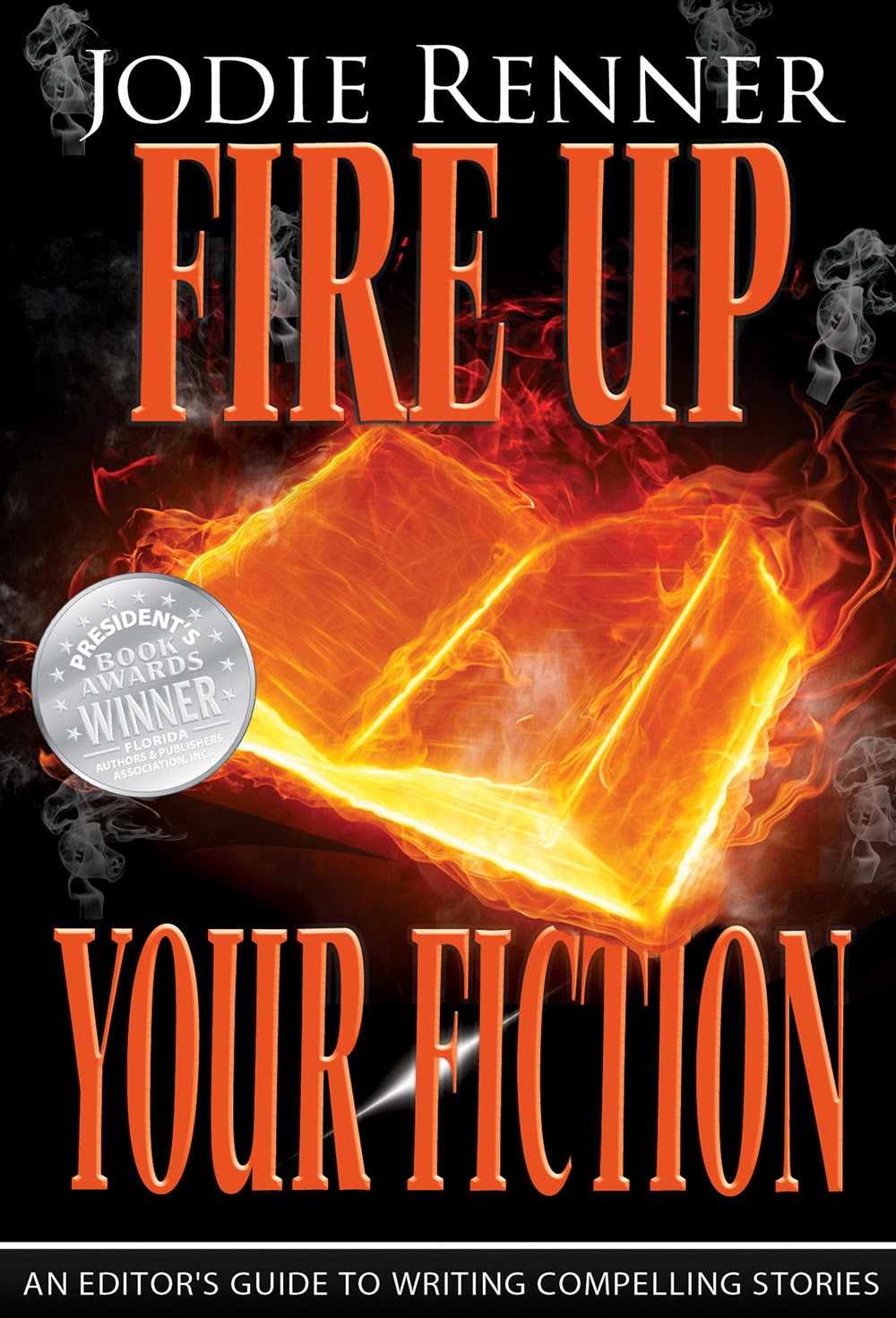
Not long ago, a complete stranger contacted me to ask if I’d like to add my writing guide Fire up Your Fiction (which, until recently, was titled Style That Sizzles & Pacing for Power) to a group promo he had planned to put 15 books, all related to writing, publishing, and promoting books, on sale for 99 cents each for one day.

I was flattered, and after checking out the organizer and the other books on the list, was eager to jump in, especially since I'd just changed the title of the book and it has won several honors recently.

Bryan Cohen turned out to be not only a nice person, but a creative, skilled and enthusiastic organizer, with lots of great promo ideas that really worked well. He created a Facebook page for the event as well as a page on his website, and enlisted us all to help promote it on our blogs and on Facebook, Twitter, Google+, etc. He asked us for possible giveaways and offered attendees/participants a chance to win prizes for sharing the event on Facebook and Twitter.

As a result of this great promo on February 28, which Bryan named "March to a Bestseller," all 15 participants had a significant increase in book sales, ratings on Amazon, and visibility. For a few hours of responding to readers on the event page on Facebook (my “shift”) and promoting the event on my blog and in social media, my sales for Fire up Your Fiction increased that day by about 20 times the normal daily average.


As well, the Amazon rating for the book rose to #1 in “writing skills” and #4 in two other categories and stayed there for a few days. And because the title was now at the top of the first page on Amazon, it was immediately visible to new readers doing a search for writing guides. which boosted sales to people who didn't know about the promo.


All in all, by participating in this group promo, besides increased sales, I gained a lot of new readers who hadn’t heard of my books before, with very little effort and no expense. And as a side benefit, my sales were also up on my other book, Writing a Killer Thriller, and more people signed up for my newsletter and blog. I received the benefit of exposure to new readers that I wouldn’t have been able to achieve on my own. And conversely, through my updates to 4,000 Facebook friends, my tweets to 1,300 Twitter followers, and my blog post on the event, I helped others in the group reach new readers and increase their book sales and exposure.

2. Join with other similar authors to create a boxed e-book set.

For a brilliant, highly successful example of the power of group promos, recently 12 mystery/thriller writers (Michele Scott, JF Penn, J Carson Black, Joshua Graham, Allan Leverone, Vincent Zandri, Carol Davis Luce, Diane Capri, Cheryl Bradshaw, M A Comley, Aaron Patterson & Ellie Ann, and Linda Prather) got together to combine 10 full-length novels and 2 long novellas into a “boxed” e-book set they’ve called Deadly Dozen, and priced it on Amazon-Kindle at only 99 cents -- for all 12 e-books combined!

The authors obviously aren’t doing this for immediate big bucks in royalty income – at .99 per sale, with 35% to the authors, that makes about 35 cents divided by 12 = less than 4 cents per author per sale! And I can only imagine the income tax nightmare! (Or maybe they’ve got that all figured out.) But each author is gaining significant visibility and recognition for their name and their title, and I’m sure they’re also all seeing increased sales in their other books.

This group did some clever, very effective advance publicity to arouse curiosity and anticipation, and their e-book set was then published on Feb. 12. By March 12, just one month later, it had reached the New York Times and USA Today bestselling lists! As of March 15, it’s ranked #24 of all Kindle books on Amazon.com, #2 in Kindle mysteries, and #5 in Kindle thrillers.

3. Explore other ways to gain recognition.

Some other great ways to get your name and book(s) out there are by writing interesting guest blog posts -- be sure to offer some kind of value to the readers -- Q&A interviews on blogs or in magazines, and presenting to writers' groups. In each case, other people will also promote your post or topic for you.

For example, someone else I didn’t know and hadn’t heard of (till then) recently contacted me about presenting a webinar at a virtual conference. This entailed quite a learning curve for me, as I’d never presented a webinar, and in fact have only viewed a few. In addition, they were suggesting using PowerPoint (with me talking in the corner), which I’ve never used before. We quickly agreed on a topic I’m very familiar with from my editing and writing, “Spark up Your Stories – Adding Tension, Suspense, & Intrigue.” That part was a breeze, as I drew material from my book,  Writing a Killer Thriller and my editing of thrillers, but the technological side of it all has been a real learning curve, starting with figuring out what equipment to purchase (a webcam – my PC doesn’t have one – and a headset with a microphone).

But now that I’ve got the techie stuff (almost) down and the Cyber Symposium for Editors & Writers is advertised, I will again get to benefit from the promotion efforts of everyone else involved with the virtual conference. So my own webinar could easily attract many participants from well outside my normal social media circles.

The take-away for me from both of my recent group events is to be open to people who contact me, even if I’ve never heard of them before, and don’t shy away from stepping outside your comfort zone!

4. Use the spin-off from book contests.

Finally, last week I found out that my book Fire up Your Fiction (Style That Sizzles) is a finalist in the ForeWord Reviews Book of the Year Awards, with the final winners to be announced June 27 at the annual American Library Association Conference. So ForeWord Reviews is now doing publicity for this book, and in addition, I’ve signed up to have this book displayed in their booth at the ALA conference in Las Vegas. This means more promotion of my book by others – and in this case by a well-respected, prestigious organization!

Other book awards Fire up Your Fiction has received (Silver medal in the FAPA President's Book Awards, Honorable Mention from Writer's Digest) have also increased its exposure and sales. And it looks like I'm a finalist in another book contest: IndieReader.com just posted a great review of Fire up Your Fiction on the first page of their website!

So indie authors, once you’ve written the best book you can and it's edited, revised and polished, with a professional-looking cover, be sure to develop a good social network and a positive, friendly  presence on social media – you never know what opportunities might come your way out of the blue! And be open to them! Chance favors the prepared mind!

 And if you think it's ready, it wouldn't hurt to enter it in a book contest or two.

Do you have any other great group promo ideas to tell us about? Anything that's worked for you or others? Share it in the comments below!

Jodie Renner has published two books to date in her series, An Editor’s Guide to Writing Compelling Fiction: Writing a Killer Thriller and Fire up Your Fiction (Style That Sizzles & Pacing for Power), which has been awarded two book honors and is a finalist for two more. Look for the third book in the series, Captivate Your Readers, out in mid to late 2014. For more info, please visit Jodie’s author website or editor website, her other blogs, The Kill Zone and Resources for Writers, or find her on Facebook, Twitter, and Google+. And sign up for her newsletter.

Monday, February 24, 2014

What Would you Give up to be a Writer?

Note from A.M. Khalifa, thriller writer, Google+

I am always inspired by how compelling the desire to write and be a writer is. Like an obsession, once it takes hold of you, there's no stopping it. Everywhere I go I meet writers who are juggling other successful careers, trying to "make it" so they could quit everything else and focus on being an author. Some of us go even further and take bolder risks. Like my friend A.D. Starrling who quit being a full time doctor in England after many years of studying and training to give writing a real shot. She'll tell you all about it as my guest blogger this week. Enjoy!

By A.D. Starrling 

I grew up on the tropical island of Mauritius, where academic prowess is highly regarded. I come from a family of scientists and from a very young age, I was expected to compete and do my best. For my father, that meant winning. Being second was not good enough. I had a pretty stellar school career. I majored in the sciences and landed a state-funded scholarship for a medical degree at a British university. I graduated in the top of my year, secured my first choice pediatric rotation, and passed my specialist exams within three years.

But throughout my training, I secretly indulged in another passion I had: Writing.

My father was an avid book collector and would take me to dusty old bookshops in the capital from when I was four. In addition to instilling in me the drive for success, he also taught me to love books. I started writing at twelve, and by the time I left the island at the age of twenty, I had written several short stories, two novels, and was a third of the way into my third novel. All throughout my education and training, I kept telling myself that I would write full time when I retired from medicine.

With just a few years left before becoming a full-fledged consultant, I quit full-time medicine. I was not happy with the direction my life had taken and the changes happening in the National Health Service. I became an agency doctor, with flexible working hours, better money, and the ability to work all over the country.

Six months later, on a train journey to London, the three characters that would drive me back to my writing desk walked into my head and wouldn't stop talking to me. And that’s when it really hit me. Why wait until I retire? Writing is what I want to do now.

I researched the publishing industry and discovered it was fraught with difficulty, with plenty of rejections and setbacks to be had. There was no guarantee I would ever be published or be able to make a living from it. Back then, I rejected self-publishing, equating it in my mind with the stigma of vanity publishing.

Still, I was driven and decided to write for five or six years and query agents and publishers. If during that time the consistent feedback was that I was a bad or mediocre writer, I would return to medicine and write as a hobby.

In 2012, no one had convinced me that I was a bad or mediocre writer, but I hadn’t gotten anywhere either. The consistent message I was getting was that I was a great writer, but hadn’t found my voice or perfect genre. Then a short story I submitted to the British Fantasy Society Short Story competition made the shortlist. It would eventually become the first novel I published.

One day, I came across an article that would change my life. It was about an author I had never heard of before, a certain JA Konrath, who had attained mainstream success as a self-published author. I took another look at self-publishing and saw it in a different light. It was now not just acceptable, but increasingly the smarter route to take. I decided to go for it.

From that time onward, I began seeing myself as a full-time writer, who once dabbled in medicine. I work part-time in a Neonatal Intensive Care Unit and that door remains open for me. Medicine still pays the bills. But isn’t that the story of almost all indie writers? We are chasing the dream, and using our other skills to sustain ourselves until writing becomes our sole vocation.

My first book, Soul Meaning (Seventeen Book 1), was the winner of the Fantasy category of the National Indie Excellence Awards in 2013, a finalist in the adventure category of the same award, a finalist in the action-adventure category of the Next Generation Indie Book Awards 2013, and got honorable mention in the general fiction category at the Hollywood Book Festival 2013.

I am still filled with fear and doubts when it comes to my writing career. Am I crazy to give up years of studying and training and a near-certain future of professional success and material comfort to chase a passion? Maybe. But I couldn't live with myself if I didn't at least try.

I have a memo note stuck to the lamp on my desk. It says, “Who do you want to be?”

It’s the first thing I see every morning before I start writing.

The answer to that question is what drives me to carry on.

What about you, fellow authors, what have you given up and what risks are you taking to chase this writing dream? Indeed, what double, even triple lives are you leading? And readers, what drives and wakes you up every morning?

AD Starrling is the author of the award-winning and nominated supernatural thriller series Seventeen. She lives in England, where she spends her time writing fast-paced, action-packed thrillers, and juggling babies in the intensive care unit where she works as a part-time pediatrician.

Soul Meaning (Seventeen Book #1) and King’s Crusade (Seventeen Book #2) the e-books are currently available for sale on Amazon, with the paperbacks scheduled for release in March and April 2014.


More A.D. Starrling links:


Monday, February 3, 2014

Indie Publishing – Lessons Learned & Still Learning

by Jodie Renner, editor, author, speaker

Once we take the plunge to self-publish our books, it's the start of a never-ending learning process as we try to keep on top of new developments and learn through trial and error. Mainly, we all want to avoid (too many) negative reviews and sell lots of books, right? And find the time to promote while writing the next book!

Still trying to decide which route to go? Check out my blog post, Pros, Cons, & Steps for Publishing Your Own Book on Amazon.

I published my first book myself on Amazon in July 2012, and it’s been a steep learning curve since then. Here are some tips I’ve learned from working with other authors and writing & publishing my own nonfiction books, which other newbie indie publishers can learn from, and some pitfalls to avoid. And a few relatively new initiatives you might want to try.

~ Get your book critiqued and edited before publishing. Get some savvy reader friends to tell you where it excited and intrigued them and where it dragged. Then revise and get a professional critique and/or edit. Even editors need an editor.

~ Get your book properly formatted before publishing it. Weird formatting is annoying to readers.

~ Get a professional cover design and some opinions on it before publishing. I’ve seen some really awful or just blah cover designs on Amazon that have to be hurting sales. Post two or three possible cover designs on Facebook or your blog and get readers to vote on which one they like best. That also involves readers and creates anticipation for the book, both pluses.  

~ Be sure your title grabs readers and also tells them what your book is about (especially important for nonfiction). I've recently decided I should have chosen a different title for my Style That Sizzles & Pacing for Power, as I don’t think it immediately tells a potential reader what the book is about. So after the book has been out for almost a year and a half, I’ve decided to change the title to Fire up Your Fiction (thanks to John Kurtze for suggesting I take that from the title of my recent blog post, “Fire up Your Fiction with Foreshadowing”). I’m keeping the same cover design and also making it very clear in the first few pages that it’s the same book. I hope I
get to keep all my great reviews on Amazon (64, average of 4.8 stars) with the new title! Not to mention the two awards this book has received.
To learn from that mistake of mine, take your time choosing just the right title before publishing. Brainstorm a lot of possibilities and run them past trusted, savvy friends.  

~ To change the title of a book that's already published on Amazon, don't create a new listing. Just go into your existing book and click on "Change book details" and change the title there. That way you get to keep all your reviews and links! (I added this point later after I made the mistake of creating a new listing on Amazon-Kindle and they told me I couldn't transfer the reviews because the two books had different titles. So I changed the title in the existing listing, then deleted the new one I'd created, to avoid confusion. And of course the fact that it's the same book, just with a different title, is noted in the description and on the back cover and in the first pages, inside the book!

~ Get your own “real” ISBN for your books, rather than a CreateSpace-assigned ISBN. Because I’m changing the title of my Style That Sizzles book, I need to get a new ISBN for it. But for several other very good reasons, notably increased distribution and visibility offered by the IBPA and IngramSpark (more below), I need a universally accepted ISBN, not the limited free one CreateSpace assigns. So now I have to go through that whole process again and wait for the new ISBN before I can re-release my book under the new title.

~ To save time and money, try to  have your self-published e-books and print books formatted in a form that is editable by you. Because chances are high that you and/or your readers will find at least a few typos, inconsistencies, or other errors. This means you may need to learn more about formatting.

~ If you revise and improve your published book, notify Amazon right away. If you request it, they’ll send out an email to everyone who bought the original (slightly flawed) e-book, and those people can all upload the revised version instantly and for free. I got busy and didn’t do that last June when I did a substantial revision of my first e-book, Writing a Killer Thriller, adding lots of original stuff and expanding the book by almost 4 times, so I still received a few “outdated” negative reviews after that, based on the original version. 

~ Ignore any negative reviews you receive, especially on Goodreads! Fortunately, I haven’t personally had any bad experiences around this, but I’ve certainly heard of authors being raked over the coals by readers after they responded to negative reviews – even one unfortunate one going viral a year or two ago. Do not respond to negative reviews by readers!

~ Joining Amazon KDP can really help sales of your e-books, as they do a lot of free promoting and marketing for you. See my post on that HERE.

~ If your book is revised, edited, polished, and getting great reviews, consider entering it in some book contests. Here’s a long, detailed list of Book Contests for Indie Authors. Since there are so many to choose from, it’s probably best to pass on the ones that cost over $70 per title, unless you feel the status would be worth it. And I’d go for the ones that provide a written review, from which you can take quotes to share on your website, blog, and on social media. Or just learn from. I’ve won two awards (FAPA & Writer's Digest) for my Style That Sizzles & Pacing for Power (soon to be retitled Fire up Your Fiction), and those awards have definitely increased my sales.


~ Consider joining the Independent Book Publishers Association (IBPA). I just recently heard about them from someone at the SDSU Writers’ Conference in San Diego, where I presented two workshops. After I got home, I checked out their website and decided to join. It looks to me like I’ll be getting a lot of benefits for the $129 annual fee, more than I’ve gotten from any other editors’ or writers’ group memberships. The IBPA Benefits Handbook they sent me is 56 pages long and includes education, support, and discounts on book awards, digital and print publishing, distribution, and marketing.

From their website: “As the largest not-for-profit trade association in the industry, the Independent Book Publishers Association (IBPA) advances the professional interests of authors and independent publishers in the U.S. and around the world. The Independent Book Publishers Association’s (IBPA’s) mission is to advocate for, support, and educate our members and to improve the standards of independent publishing. In addition to longstanding cooperative marketing and education programs, IBPA delivers valuable discounts and networking opportunities to members.”

~ Consider registering your book(s) with IngramSpark, which looks really beneficial for increasing the distribution of both print and e-copies of your books. Costs $49 for both ($37.50 for IBPA members). I’m in the process of registering with them for my Sizzles book, but need to wait for my new ISBN before I can complete the process (which is taking longer because I’m Canadian). Of course, that means the e-book will no longer be in the Amazon KDP program, so will lose those benefits... Maybe I should see if I can just do the print book on IngramSpark, and keep the e-book on KDP...? So much to learn, so little time!

“IngramSpark is Ingram Content Group’s new Publish-on-Demand platform that enables the delivery of content worldwide to readers in print and electronic formats. The service, which is tailored to the specific needs of the small independent publisher, streamlines the sales, account setup, content management, and customer support activities through a self-service, online platform. It’s free to set up an account.” 

~ A new distribution service for indie authors to check out. I’m also thinking about enrolling one of my books in the new IndieReader In-Store (IRIS) program, “the first indie (Author) to indie (Bookstore) distribution service,” for more visibility and increased distribution and sales. This recent initiative was discussed recently here at CFC. Just another option to consider... And let’s see if anyone else jumps in to offer something similar for indie authors.

~ Finally, there are a lot of websites that promote indie books. So many the list could be its own blog post!

Have any of you had experiences to share about Amazon, Smashwords, Lightning Source, Goodreads, book contests, IBPA, IngramSpark, or the IndieReader IRIS program? Or any other initiatives for publishing, distributing, or marketing independently published books? Can you share your wisdom with the rest of us struggling along the path to self-publishing enlightenment and increased sales? Any tips gratefully accepted!


Jodie Renner has published two books to date in her series, An Editor’s Guide to Writing Compelling Fiction: Writing a Killer Thriller and Fire up Your Fiction (formerly titled Style That Sizzles & Pacing for Power), which has won two awards to date. Her third book in the series will be out soon. For more info, please visit Jodie’s author website or editor website, her other blogs, Resources for Writers and The Kill Zone, or find her on Facebook, Twitter, and Google+. To be the first to hear when Jodie's next book is out and to receive links to valuable, timely blog posts, sign up for her newsletter here.

Tuesday, January 28, 2014

Amazon's KDP Select: The Verdict from a Newbie Skeptic

by A.M. Khalifa, thriller writer, Google+

Have you read The Jewish Neighbor?

I've been dragging my feet and avoiding test driving Amazon's optional KDP Select program that gives writers a set of preferential marketing tools in return for a 90-day period exclusivity to the Kindle Store. Even while hearing writers I respect and admire like L.J. Sellers and Jodie Renner singing its praises

I chose to go the indie route to be the master of my writing career. So understandably, the mere mention of someone else exercising exclusivity over my work triggers an allergic reaction. I want my ebooks to be available to readers through all outlets like Kobo, Nook, Sony and Apple, and not just Amazon.

Having said that, I've always been attracted to KDP Select's free book promotion tool. Until quite recently, the high ranking attained on Amazon's bestseller lists during the free promotional period could be converted to paid sales after the promotion ends. But in their excellent resource for indie publishing, Write. Publish. Repeat, Sean Platt, Johnny B. Truant, and David Wright explain how in 2013 Amazon shuffled the rules of the free book promotion, which effectively broke this ability to convert high ranking to sales.

Despite that, I finally bit the bullet. I was curious enough to give KDP Select a shot with a recent novella I published, The Jewish Neighbor. I figured the only way to find out how Select really works is to try it. And since this piece had been lingering on my blog collecting digital dust for many months with little feedback, I had nothing to lose.

To cut a long story short, the results were outstanding. The book was downloaded thousands of times across all of Amazon's territories, but no where more than Amazon UK. It's about a Syrian woman who accepts an arranged marriage to an exile in London to escape the horrors of the civil war ravaging her country, only to find herself in an equally grim situation, with the only tenderness coming from the least expected person - her Jewish neighbor. So it made sense there would be keen interest from Britain. But I also broke ground in places like Amazon Germany, Canada, India and France, which was a first for me. 

Things got even more interesting after the free promotion ended. The Jewish Neighbor started climbing up the ranks in Amazon's paid bestseller categories in both the US and the UK. It hit number 500 of all of Amazon UK's paid kindle content, and then lodged itself as the number 1 bestseller in the inspirational romance category for at least a week. And also locked in second slot on Jewish-themed literature for a few days.

All in all, I sold more copies of that piece than my entire one year writing-career, across all of my titles. At one point I was selling thirty copies of The Jewish Neighbor every hour.

But it didn't stop there. This unexpected performance started funneling customers to my other titles. My overall sales spiked, including my flagship content, my debut novel, Terminal Rage. The daily sales average of that quadrupled compared to how it usually performs on any given day, no doubt as a result of the increased exposure.

So what's the verdict, from a new writer and a former skeptic like me? 

KDP Select is an incredibly powerful marketing tool for indie writers. But it's not for everyone and not for all your content. I don't think it makes strategic sense for a first time writer just wetting their feet to put their debut offering on KDP Select, denying themselves the opportunity to explore the overall landscape. The program seems better suited for writers with a larger body of work who can afford to make certain works exclusive to Amazon, without alienating users of other platforms.

In my case, hot on the heels of The Jewish Neighbor's success, I enrolled many of my other similar titles in the program, leaving out for now my full-length novel, Terminal RageI still like the unlimited free promotions you can do on Kobo, as opposed to Select's limitation to a maximum of five days free promotion every 90-day enrollment period. And I have to admit, I have a soft spot for Kobo and the openness of their platform. Unlike my perception of Nook, I don't want to discount them for dead just yet. Being the smallest of the three main players, they also try harder. At the Frankfurt Bookfair last October they were serving free crab cakes, chardonnay and awesome teal-colored tote bags that make me a huge hit with supermarket cashiers in Rome.  

Then again, I may wake up one day and realize that five days of KDP Select every 90 days are far more valuable than 365 on Kobo. I will keep you posted.

The way I see it, Kobo, Nook, Apple, Sony and Smashwords all have their niche segments of the market. But you can't be an indie writer today and fail to notice that Amazon is increasingly where it's at.

Writers, what have your experiences been with KDP Select, and if you've been on the fence like me, have I managed to sway you to at least try it once? And readers, have you discovered literary gems through free downloads?

Sign up to my newsletter below to get:

 exclusive free fiction
 writing tips
 publishing insight
 Hollywood for writers: exciting insight on the film adaptation of Terminal Rage as it happens
 counter-terrorism scoops and analysis
 book giveaways and competitions

* indicates required field


Special Offer! My sizzling-hot short story, The Egyptian Affair is available for free, for a limited period on Kobo.

A.M. Khalifa's critically acclaimed debut novel, Terminal Rage, was recently described by Publishers Weekly as "dizzying, intricate, and entertaining."  He lives in Rome, Los Angeles, and Sydney, sometimes at the same time.

The ebook version of Terminal Rage is now on sale for $0.99 on Amazon.


Tuesday, January 14, 2014

Cold Calling with your Book in Hand. Do you have the Stomach for it?

by A.M. Khalifa, thriller writer, Google+


In the world of indie publishing, digital is king, thanks in no small part to the publishing revolution spurred by Amazon. But for many of us writers, the notion of selling a physical book still carries a romantic, even irrational sense of accomplishment. Consider this: Although I make more money selling eBooks, I get more excited when I sell paperbacks. Perhaps the knowledge that someone out there preferred to hold, smell, feel and touch a copy of my book—even though a much cheaper and more convenient medium was available to them—is somehow comforting.

Getting your printed book in brick-and-mortar bookstores however is one of the most uphill challenges of publishing. The large chains are pretty much in intensive care with a bleak prognosis, and independent or small-published writers are at the bottom of their list of priorities. Even Barnes and Noble which has so far managed to hold on to dear life, only pays lip service to supporting indie writers. They have an opaque program that allegedly will stock the works of “local” authors in the relevant chains. But if you've ever tried to communicate with your local Barnes and Nobel to pursue that, you will have likely discovered that it’s a hit or miss and depends entirely on the mood and temperament of the Community Relations Manager you end up speaking to. Not to mention that the reigning Barnes and Noble culture looks down on print on demand books.

Which leaves small and independently owned book stores and mini chains as the most viable option. I am happy to report that I have had remarkable success getting my debut novel Terminal Rage stocked in a select number of bookstores in North American and Europe. In London for instance, I am proud to be stocked in all branches, save one, of the beautiful Edwardian mini chain, Daunt

The Chelsea branch of the mini-chain Daunt, London, UK

Figuring out the best way to get stocked in indie bookstores came after a bit of trial and error.

Because most of us in this business spend more time behind screens managing our digital empires and building and nurturing our tribes, we tend to also communicate primarily through electronic means. It's faster and more convenient.

When I first started querying indie bookstores electronically, I was overwhelmingly getting ignored or rejected, which was demoralizing. Then it dawned on me that on any given day, most indie bookstores probably field hundreds if not thousands of emails from new writers like me with the same idea. Each professing to be the next best thing.

So I tried something different. I started calling the bookstores to set my self slightly apart, and sure enough my success rate instantly shot up to about thirty percent acceptance.

You probably know where I am going with this: Ultimately, the most effective way to get your book picked up by indie bookstores is to go there in person, with your book in hand for a good, old fashioned face-to-face pitch. As a writer, if you are not willing to look a book buyer in the eye and get passionate about your writing, how do you expect them to do the same over email or a phone call?

Indie book stores are typically unique establishments owned and staffed by folks who are extremely passionate about books. Like Linda Nurick of Cellar Door Bookstore who plays an integral role in promoting reading and supporting local writers in her local community of Riverside, California. I have found that the best way to connect with them is in person, because they need to get excited about you as a writer as much as they need to appreciate your book. Assuming you have an excellent and professionally-produced book, my own results suggest that walking in an indie bookstore to cold call will net you extremely positive results.

However, there are a few things to take into consideration if you decide to give cold calling at indie bookstores a shot. First and foremost, research each and every store in advance. Some of them specifically request that you don’t show up unannounced, so respect their guidelines. Some small bookstores are often highly specialized in a limited number of genres which may not coincide with your masterpiece. And remember that for all brick-and-mortar stores, space is the number one premium. If a book store describes itself as "tiny", "cozy" or "small but mighty", it's most likely they have a minuscule and highly curated inventory with a limited appetite for risk. So it would probably be a waste of your time and theirs to try. 

Ultimately, I've found that the most receptive are the small- to medium-sized general bookstore that sell new books, with no outright guidelines against cold calling. With that said, even if you target your bookstores intelligently, there is still a chance they just may not be that into you. Don’t take it personally and move on.

Writers, what have your experiences been trying to get your books stocked in brick-and-mortar bookstores? And readers, do you proactively make recommendations to your local bookstores when you don’t find your favorite authors stocked?

Sign up to my newsletter below to get:

 exclusive free fiction
 writing tips
 publishing insight
 Hollywood for writers
 counter-terrorism scoops
 middle east analysis
 book giveaways and competitions
 exciting updates on the film adaptation of Terminal Rage as it happens
 free tickets for a party of four to an Elvis Presley concert*


* indicates required field


Special Offer! My sizzling-hot short story, The Jewish Neighbor is available for free, for a limited period exclusively on Amazon Kindle: amzn.com/B00HSN8O8M

While supplies last. Offers valid only in territories where time machines are legal.

A.M. Khalifa's debut novel, Terminal Rage, was recently described by Publishers Weekly as "dizzying, intricate, and entertaining." 

The ebook version of Terminal Rage is now on sale for $0.99 on Amazon.


Sunday, December 8, 2013

10 Tips for Attracting a Top-Notch Freelance Editor for Your Novel

a section of Jodie's reference library
by Jodie Renner, independent fiction editor and craft-of-writing author

With so many authors self-publishing these days, the best independent editors are in high demand, so if you’re looking for a knowledgeable, experienced professional editor to help you make your fiction manuscript the best it can be – and improve your overall writing skills in the process – be sure to take some care with how you seek out and approach them.

Due to the high volume of requests, sought-after freelance editors turn down many more writer clients than they can accept, so it’s important to make a good first impression. 

First, make sure your manuscript isn't still in rough draft. Try to find time to hone your craft (see my to-the-point editor's guides to writing compelling fiction), then go over the manuscript a few times to spark up the characters, raise the stakes, add conflict, tension, and intrigue, pick up the pace, and tighten the writing.

Next, do your research and look for editors with good credentials and reviews, who edit mainly fiction and read and edit your specific genre. Google “freelance editors, mysteries” or whatever, or go through an editors' association like EFA or EAC.

Then read through the editors' websites to find out about their services, process and requirements. What kinds of problems/issues do they look for? If it’s only grammar and spelling, you can get an English teacher friend to do the same, for a lot less money or even free. To make the most of working with a professional, choose someone who first looks for other, more important possible issues, such as a shaky premise, a boring plot, cardboard characters, confusing viewpoints, stilted dialogue, insufficient tension, inconsistencies, slow pacing, plot holes, info dumps, showing instead of telling, and convoluted or too-formal phrasing.

You need an editor who can ferret out big-picture issues and help you with all the various techniques that, when ignored or botched, can sink a novel, and when flagged and addressed, can turn a mediocre or good novel into a real page-turner that sells and garners great reviews. 

Once you’ve determined that the editor is up on current fiction techniques and industry expectations, be sure to read and follow their submission instructions. On my website, for example, I specifically request the following from potential clients: the genre, total word count, first 15-20 pages, 10 pages from somewhere in the middle, a brief synopsis (a few paragraphs to half a page), and a brief description of each of the main characters. 

Without this information, I have no idea whether we’d be a good fit and I’d be the best editor for you. I can’t assess the level of work required to bring your manuscript up to industry standards or whether your story would fire my passions so I can give it the zeal and commitment it deserves. Nor can I provide you with an estimate of my fees without doing a sample edit or reading several pages to see what's involved. The quality of writing and the storytelling skills vary hugely from one manuscript to another, so of course the amount of work (time and effort) – therefore, cost of editing – will also vary hugely. 

Here are 10 tips for attracting a top-notch, in-demand editor for your fiction and getting the best possible edit or critique for your manuscript: 

1. Search for experienced, proficient editors who mainly edit fiction and who also read and edit your genre. Most nonfiction editors are unaware of critical techniques such as point of view and showing instead of telling. And an editor who reads only romances and cozy mysteries isn’t in the best position and mindset to help you add tension, conflict, suspense and intrigue to your thriller, for example.

2. Check their testimonials/reviews and contact some of the authors mentioned to discuss the process with that editor.

3. Peruse the editor’s website to find out about their editing process and the services they offer before contacting them. Do your homework, rather than just contacting the editor and expecting them to explain all about their process and services to you, a potential client whose work they haven’t seen and may not want or be able to take on.

4. Follow their submission requirements and provide as much information as possible about your book. If you just contact them and say “How much do you charge to edit a book?” there’s a good chance you may receive no response or a quick rejection.

5. Indicate why you’ve contacted them in particular – perhaps you noticed they edit your genre, you’ve heard good things about them, an author you know recommended them, or you’re impressed by their credentials and testimonials. Show that you’ve done your research and have concluded that they are your best choice/fit. 

6. Be open-minded about the possible state of your manuscript. Even if you're an accomplished nonfiction writer, if you're relatively new at writing fiction, you may be unaware of issues in your writing style or fiction techniques that appear amateurish or get in the way of reader enjoyment. Your story may still need some or a lot of big-picture advice, even developmental editing, as well as content and stylistic editing, then rewriting/revising before it’s ready for the final copyediting stage.

An experienced editor will be able to tell quite quickly what level your story is at in terms of the editing process and where they should begin. So if you want a final product that can compete in today’s marketplace, it’s important not to be adamant that it “only needs a light final copyedit or proofread.” 

7. Tight deadlines do not produce the best results. Proficient editors are often booked weeks or months in advance, and some juggle more than one manuscript at a time, so start contacting editors well before your manuscript is ready, and leave ample time for the process once it’s begun. If you tell the editor you’re under a tight deadline and need the whole 90K edited and ready to publish within a month, don’t be surprised if they turn it down, especially if it needs a lot of work, including checking over all your subsequent revisions!

8. Don’t forget your social skills. A “Hi, hope you had a good weekend” or “You come highly recommended” can go a long way. And if you do start working with an editor, for a positive, mutually beneficial working relationship, be sure to continue to add those little friendly or appreciative notes. [Editors should also follow this advice, of course!]

9. The writer-editor relationship requires commitment on both sides. Be sure to express your willingness to apply yourself and do any recommended revisions and even consider deleting or rewriting weak scenes. If you tell the editor you don’t have time to revise those scenes to make them stronger and more compelling, it speaks volumes about your work ethic and motivation and the ultimate success of your project, and can be discouraging to the editor, who may feel that she cares more about your story than you do.

10. Get a sample edit or hire the editor to work with you on a chapter or two first. Maybe go on a 20- or 50-page "date" with a prospective editor. That way you can see how that editor handles your work, and he/she can see how you respond to their suggestions and edits.

Good luck with this very important step in your self-publishing process!

Writers – do you have any questions or suggestions?

Editors – do you have any tips to add for writers who are seeking out an editor?  


Jodie has published two books to date in her series, An Editor’s Guide to Writing Compelling Fiction: Writing a Killer Thriller and Fire up Your Fiction (Style That Sizzles & Pacing for Power), which has won two book awards so far. Look for he third book in the series, out soon. For more info, please visit Jodie’s author website or editor website, her other blogs, Resources for Writers and The Kill Zone, or find her on Facebook, Twitter, and Google+. And sign up for her newsletter.

 
.

Tuesday, December 3, 2013

Music and Writing: a Harmonious Match, or an Off-Pitch Proposition?

by A.M. Khalifa, thriller writer, Google+

Christof Unterberger, Austrian Cellist and Film Music Composer
You may not immediately associate music with fiction, but in my world, music plays an integral role. Often when I write particularly visual or emotional scenes I hear music in my mind. I also write better when I have music playing in the background. For instance, the soundtrack of the film Rush, as scored by Eric Clapton, is the perfect mood-setter when I am writing about fallen heroes, conflicted protagonists, or psychologically charged scenes. Music touches me on many levels and unclogs my creative pores. Other writers may find this process distracting, but listening to music while I write invites an additional dimension to what I create and amplifies the state of hypnosis that is creativity.

But it doesn't stop there. I have gone a step further to involve music in my writing.

I work in the film industry. My friend Christof Unterberger is a talented and successful film composer and cellist. He is also my musical partner in crime. Almost every project I have produced in the last six years has been touched and elevated by his music. As with any creative partnership, Christof is also interested in my writing.

When I started working on my debut novel Terminal Rage, Christof was only the second person after my wife to know about it and to read the synopsis. He started composing small vignettes, spontaneously and inspired only by the little he knew of the story. And he nailed it. The musical pieces he composed back then were so reflective of the essence of my thriller, and so sublime and cinematic, that I started listening to them as I was writing. As a result, my writing and writing regimen improved. My story inspired his music, and his music inspired my writing - cyclical and symbiotic creativity at its very best.

Now that Terminal Rage has been published and Christof has read it, we are doing something even more daring. We are composing a soundtrack for the book. One piece for every chapter. You can listen to the entire sequence here.

I believe we are breaking new ground with this derivative work, which we plan to sell as a companion product once all thirty-two chapters have been scored.

Here is the opening sequence of the Soundtrack, which sets the tone for the entire work:


And this piece is from an action-packed chapter in the book at the halfway mark. Notice how the music is layered and develops subtly:


Finally, here is a sample of a more emotional,  melancholic chapter towards the end:


What intrigues me about this process, is that people who've read the book connect emotionally with the music almost immediately. They appreciate it as a bonus and unexpected layer of the story that expands and enhances their experience with my work.

Mind you, Christof is a highly sought-after film composer, and time is his most precious commodity. Working on the "book" soundtrack of Terminal Rage is a labor of love for him that comes with no material benefit in the short run. He just fell in love with the story and decided to score some amazing music to it while we wait for the film version. Talking of which, can you guess who will score the music to the film adaptation of Terminal Rage, one day? I joke with Christof and say: Alexander Despalt of course!

As a new and independent writer, thinking out of the box and innovating ideas is an essential component of setting myself apart and building my brand. It's not enough to follow the script dictated by the archaic traditional publishing universe we have all inherited.

Readers: Do you hear music in your minds when you connect with a good story? And are you able to read with music in the background? Writers, what do you think of my literary musical experience: does it add value to a book?

As a special promotion for thriller and music aficionados, if you buy the paperback edition of Terminal Rage before January 1, 2014 and let me know about it on my site www.amkhalifa.com, you will find a copy of the Terminal Rage CD in your mailbox sometime early next year!


A.M. Khalifa, author of international thrillers, writes exhilarating, contemporary stories pulsating with life and unforgettable characters. His debut novel, Terminal Rage, is a layered thrill ride that moves seamlessly from inside a nerve-wracking hostage situation to far-flung locations across the world, challenging readers to stay ahead of its unpredictable plot.

The ebook version of Terminal Rage is now on sale for $2.99 on AmazonBarnes and Noble, and Kobo

Friday, July 19, 2013

When Bad Things Turn Out Well

by L.J. Sellers, author of provocative mysteries & thrillers

We discovered water in our bathroom wall recently, and the damage was extensive. My initial reactions were to first blame myself: How could I let this happen? Next, to be stressed about the time and cost of the repair.

Fortunately, my hairdresser (love this woman!) reminded me that insurance pays for things like this. The transition will be inconvenient and annoying, but in the end, the bathroom will be essentially remodeled for about the price of the deductible. A nice outcome.

I'm trying to keep that in mind as I go through a similar situation in my writing career. With my latest book, a standalone thriller, my editor wants me to make a major plot change, one that I disagree with. My initial reactions were the same as they were for the water problem—a sense of failure, then stress about a negative outcome.

But the more I think about it, the more I realize this could turn well. My beta readers (including a professional) love the story the way it is, and I'm not inclined to cut a plot element that ratchets up the tension on a global level. So, as much as I love publishing with Thomas & Mercer, I'm going indie with this one.

Even though I call it a standalone, the book features Agent Dallas—introduced in Crimes of Memory (Jackson #8)—and will launch a new series. Although publishing with Amazon has been great for my career, it's not a bad idea to diversify and keep some control of my work.

Additionally, I'll be able to bring the book to market sooner on my own, and I'll earn a higher royalty. So this could turn out like the bathroom situation—more benefits than drawbacks.

In the meantime, I have to get my head back into indie mode and start thinking about marketing again. This transition will also be a lot of work and at times frustrating, but ideas are coming to me, and I think my wonderful readers will support me. 

What do you think? Am I crazy for sticking with the story instead of the publisher? If you're one of my readers, will you try the new book?

Tuesday, May 28, 2013

Anne Allen on 12 Things NOT to Do When Self-Publishing

By:  Kimberly Hitchens is the founder and owner of Booknook.biz, an ebook production company that has produced over 2,000 books for over 1800 authors and imprints.

Today, I would normally be boring you with formatting "stuff," or relaying various and sundry disputes over publishing versus self-publishing, but I stumbled over this blog from Anne R. Allen (author of Food and Love and The Gatsby Game, amongst others), whose site is recognized as one of the Best Writing Sites by Writer's Digest, which is saying something.

Anne writes about the "12 things not to do" when self-publishing, and I think her list is worthwhile reading for any newbie, or even any traditionally pubbed-author switching over to self-publishing for the first time.  I am particularly fond of her advice for #1:  don't publish your first novel before you've written your second.

I'd sit here and regurgitate everything she said, and make myself sound smart, but you should hop on over to her blog and read it in its original place and from its original author.  I highly recommend this article (and don't skip over #3, her sage wisdom about ensuring that you use professional cover design and formatting!!  ;-)  You can read Anne's article, in full, here:  How Not to Self-Publish: 12 Things for New Indies to Avoid

Thanks, and see you next time.


Sunday, May 19, 2013

Revise and Republish?

The Increasing Fluidity of Books & Publishing

by Jodie Renner, fiction editor and craft-of-fiction writer   

If you’re an indie author with e-books on Amazon, have you revised and re-uploaded any of your e-books, in response to negative reviews or other feedback? Or even just to add improvements or additions you thought of yourself? I do, quite regularly. And it seems to me that many authors, including high-profile ones, who are receiving similar negative reviews for a book should be considering doing this. What do you think? 

With more and more authors publishing their own books as e-books, and even publishers releasing increasing numbers of e-books, which can be updated as often as the author/publisher chooses, how does that impact the content of the books? I’m thinking that using this privilege can’t help but improve the book, and the overall quality of e-books available.

Can and should we use reviews and other feedback to constantly (or occasionally) update or revise our books? Why or why not?

Would you or do you alter/tweak/revise/change your book because of many similar reviews?

And if you do revise your book because of negative reviews, what do you do about the fact that the reviews are still there, even though the issues have been addressed and hopefully fixed? Would you respond to the well-thought-out ones you felt had a good point and tell them you’ve made some changes based on their review?

And will more and more traditional publishers with digital imprints start tweaking their books based on informative, thoughtful reviews? Or on many negative reviews with basically the same objections? Will individual e-books then be in a constant state of flux, based on feedback and current trends?

I’ve heard of authors changing the ending to please a majority of readers who objected to the way their book ended. What about changing other aspects of a book that would require more extensive revisions? What if a lot of faithful followers found one of your protagonists too hard-edged or whiny or sarcastic or whatever? Would you go back to that book and tweak your characterization and their dialogue, etc. to make them more sympathetic and appealing? Or what if lots of readers complained about a major plot hole? Would you go in and fix it, in hopes of stopping the flood of bad reviews?

If your novel is solely an e-book at this stage, it’s quick and easy to upload a newer, better version after making the revisions. But then you have some people who have the original version and others who are buying the improved product. 

I’ve published two craft-of-fiction e-books on Amazon-Kindle (with more to come) and have updated and expanded both of them several times, which is a wonderful feature and option/privilege, I think, especially for writers who are still honing their craft and learning from their mistakes.

Since I published my first e-book, Writing a Killer Thriller, in July 2012, I’ve added two chapters
and revised the whole thing. In the last few days, I added another chapter and deleted one near the end that was too repetitive, a summary that basically reiterated points made in the rest of the book. I just republished this most recent version, and a new cover, and am working on two more new chapters for the book. This approach would have been unheard of ten years ago, but I’m grateful to have the control to be able to do this with my “learning” first book.

Then I’ll ask Amazon to notify earlier buyers so they can upgrade for free. I’m also publishing the new chapters on the blog of my new, author website, so people who’ve bought earlier versions of the e-book can just read the new chapters there. And I’m planning to publish the new, expanded version in print soon. And I assume I can keep the same title...?

(As an aside, when I first published this e-book, I enabled Digital Rights Management and have since been told that was a mistake so I didn’t do it with my second book. Does anyone know if there’s a way I can disable that? It doesn’t seem possible.)

And what about if your book is already in print? Say you’ve published with a POD house like CreateSpace, like I did, for my Style That Sizzles & Pacing for Power book (available as an e-book, too). Do you consider re-issuing a second edition? All my comments for Style that Sizzles have been positive (29 reviews to date, with an overall rating of 4.9 stars out of 5), but I’m considering publishing a newer, improved second edition. Am I getting carried away here? When do you say, “Enough, already,” and move on?

*Update, February 2014: I updated Style That Sizzles and retitled it Fire up Your Fiction.*

Writers - Do you revise your e-books to address issues that readers feel detract from the overall positive impact of the book?

Should we embrace increased reader involvement/interaction? Or would that just be opening a can of worms?

Readers & Reviewers - Do you appreciate it when writers revise based on your input? Do you enjoy the extra involvement of being a beta reader or active reviewer?

Do you even check back occasionally to see if writers have revised their book based on similar negative reviews by you and others? Would you like to see authors comment under your review if they've addressed your concerns?


Jodie Renner has published two books to date in her series, An Editor’s Guide to Writing Compelling Fiction: Writing a Killer Thriller and Fire up Your Fiction (Style That Sizzles & Pacing for Power), which has won two book awards so far. Look for the third book in the series, out soon. For more info, please visit Jodie’s author website or editor website, her other blogs, The Kill Zone and Resources for Writers, or find her on Facebook, Twitter, and Google+. And sign up for her newsletter.
.